Design.Space LA

To bring collectible design to a whole new audience, Basic.Space launched its inaugural retail experience blending rare design, art and fashion as a ‘one-stop-shop’ for obsessive collectors.

Team

Basic.Space

DELIVERABLES

Talent/Partner Management, Activation Planning, Concept Development, Brand Identity, Creative Direction

Year

2025

Role

Creative Production + Arts/Cultural Programming
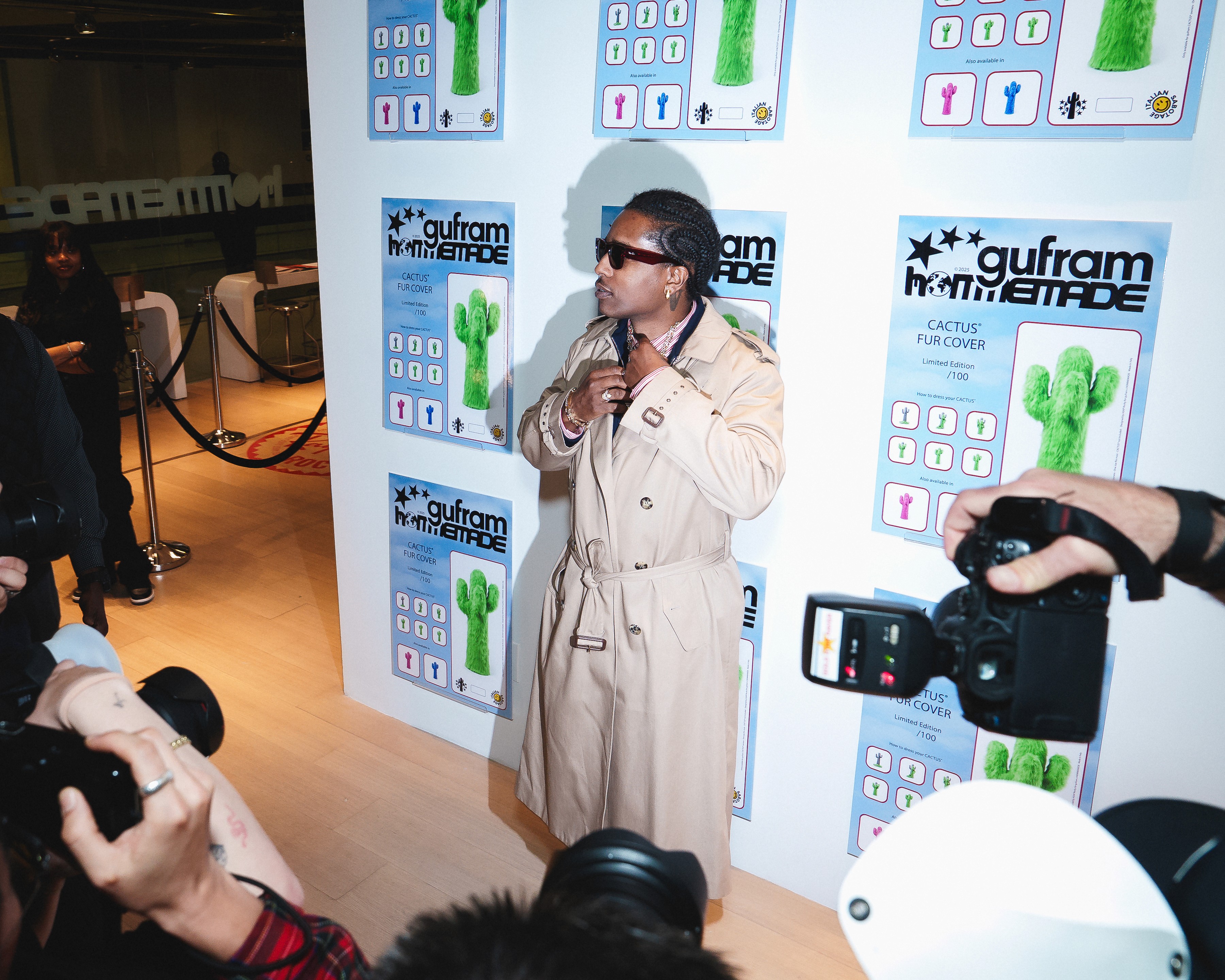
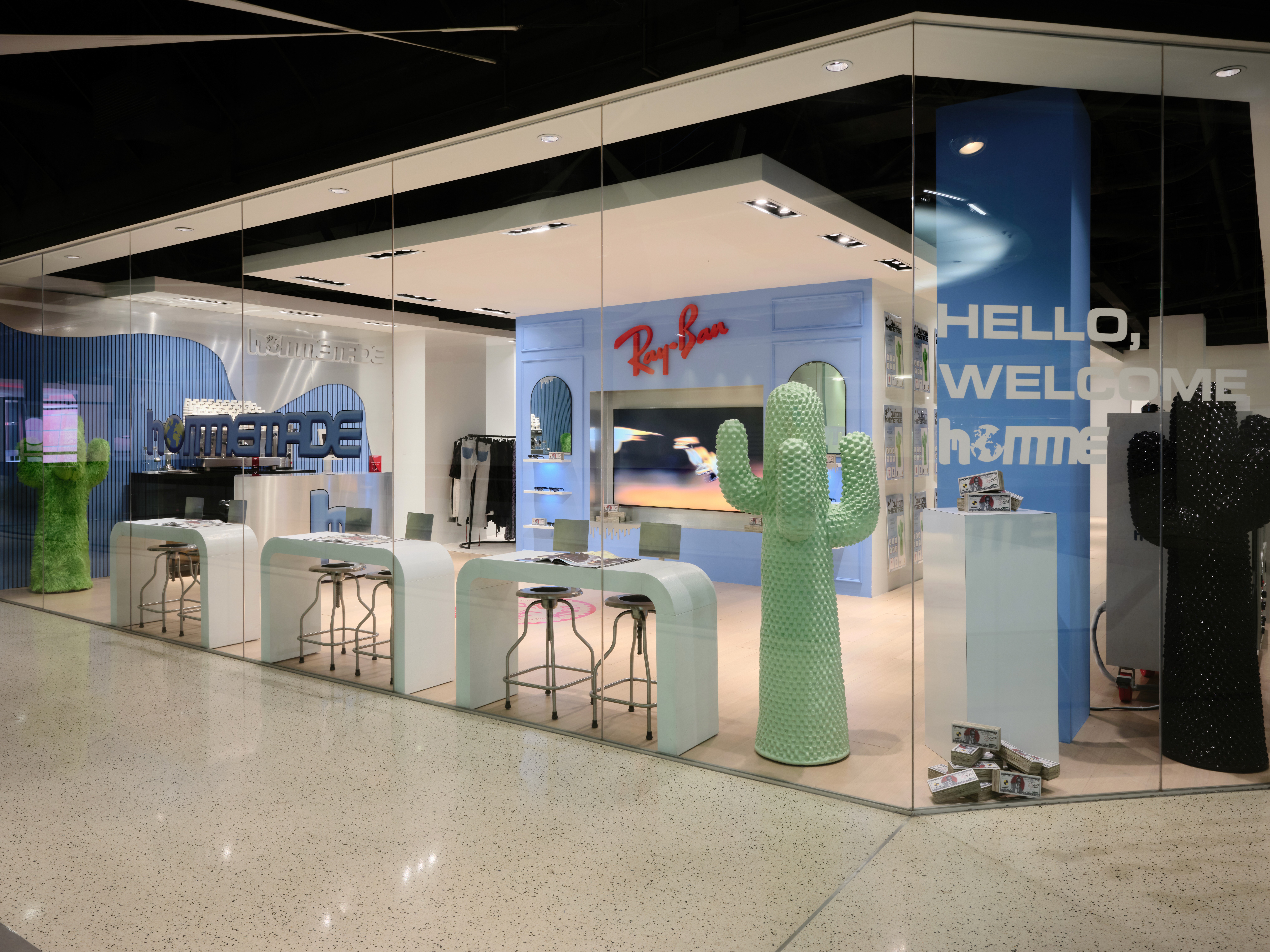
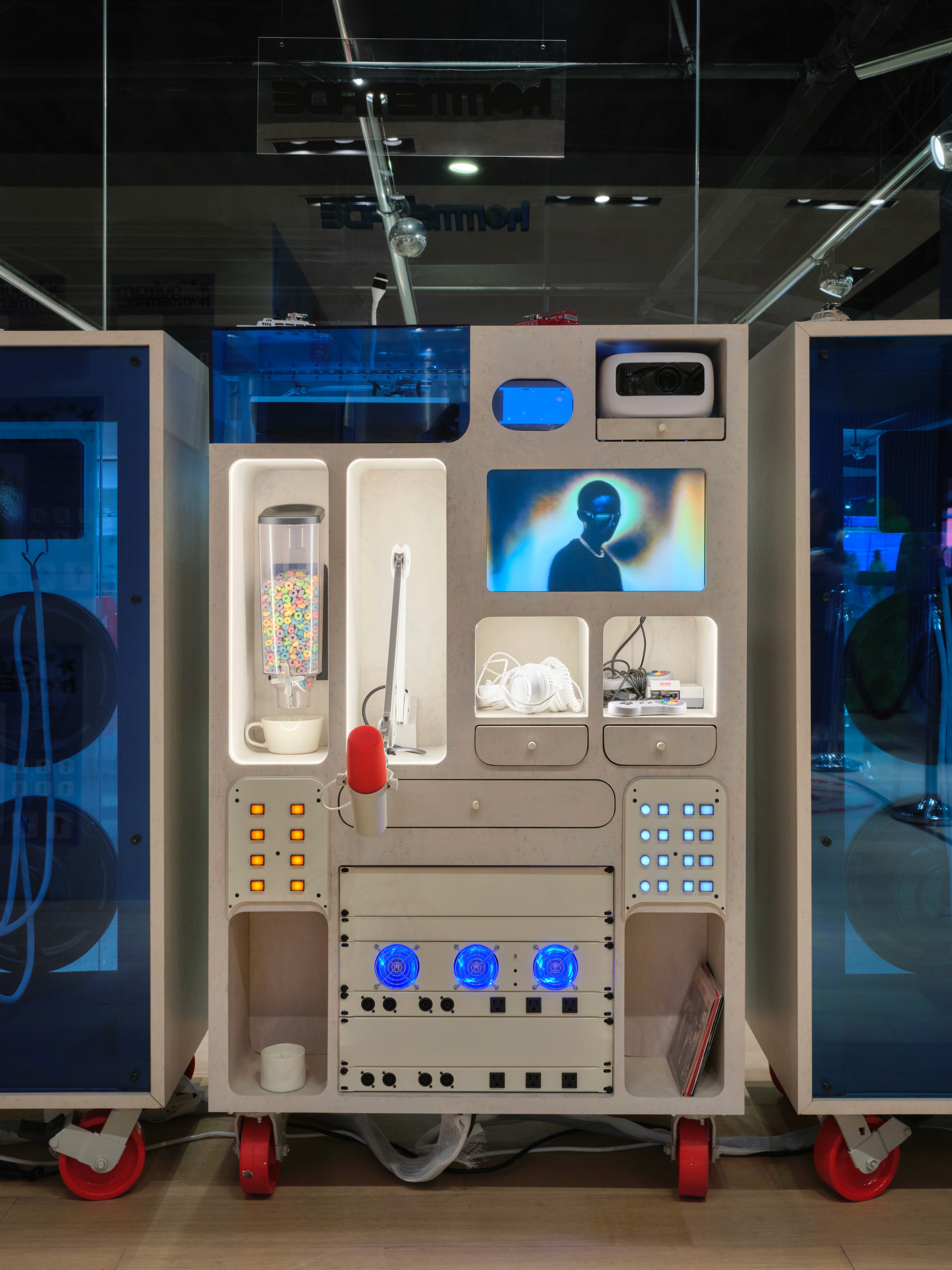
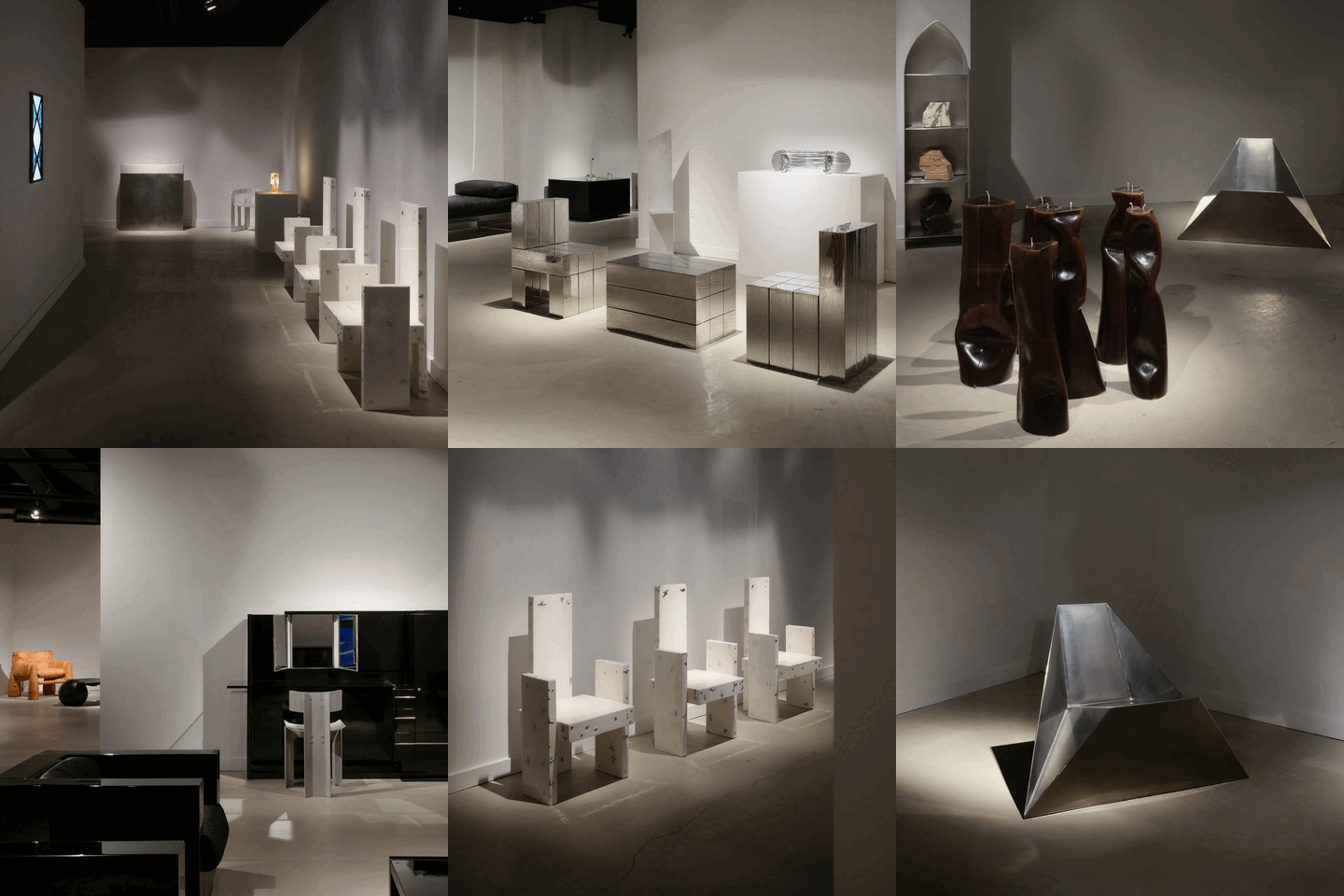
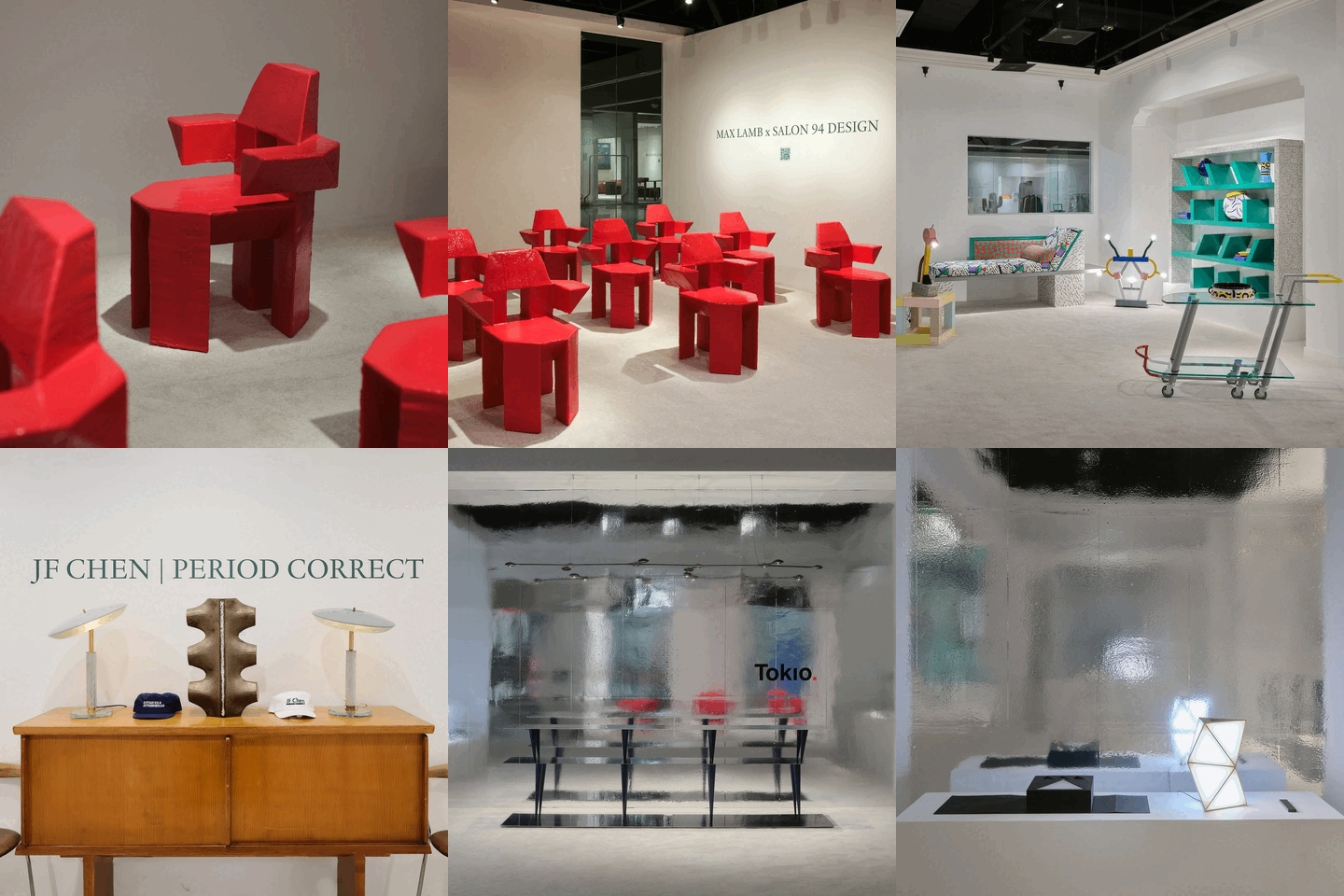
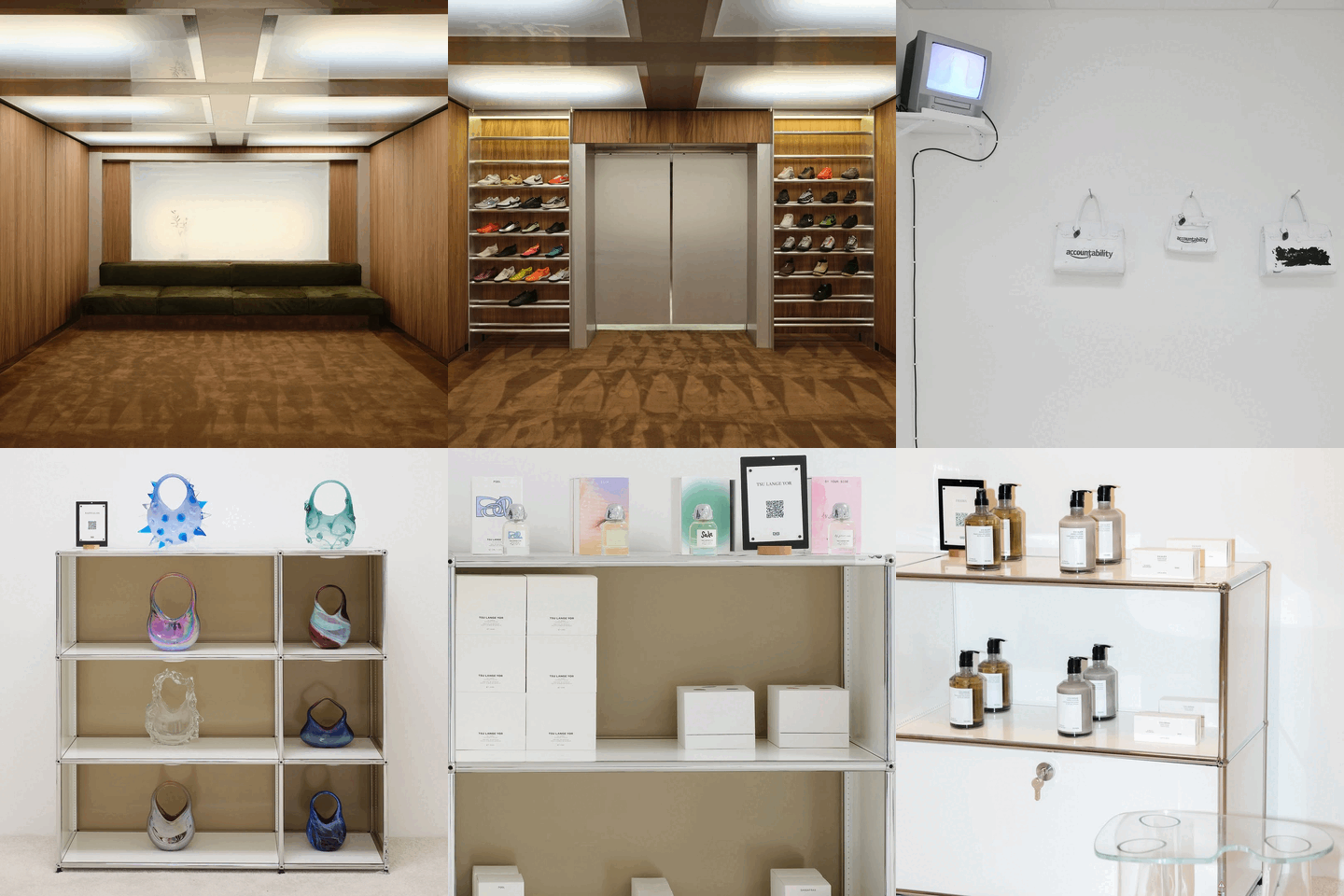
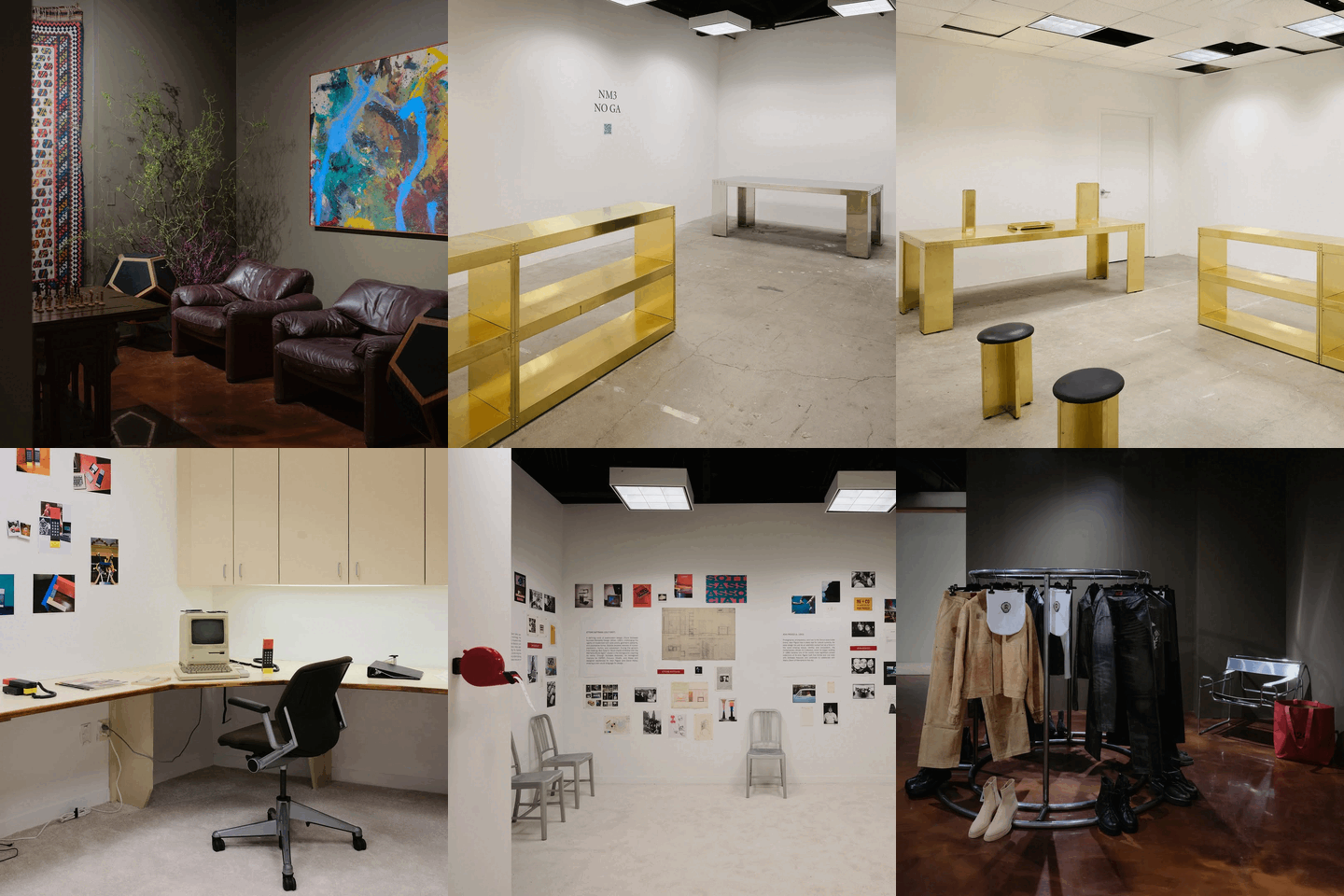
Design.Space LA marked a pivotal moment for Basic.Space and for design culture at large. Conceived as an obsessively curated, unapologetically commercial experience, the inaugural Design.Space transformed the Pacific Design Center into a fully immersive shopping and cultural experience where design, art, fashion, and culture converged under one unified vision. Rather than replicating the antiquated gallery model typical of design fairs, Design.Space introduced a radically accessible format: a unified marketplace inspired by the familiarity of luxury department stores, paired with museum-level installations and cultural programming. Every object presented was intentionally shoppable and every brand was thoughtfully contextualized so that every guest left with something tangible. Every object was meant to be encountered, purchased, and taken home.

We approached Design.Space as both a design fair and a cultural moment. The experience was structured as an IRL-to-URL ecosystem spanning three phases: a two-day online preview for our VIC collectors, a weekend-long invite-only IRL experience in Los Angeles, followed by a post-event online shopping window that extended discovery beyond the walls of the venue. Design.Space seamlessly blended physical and digital retail, reinforcing Basic.Space’s belief that the future of luxury lives at the intersection of culture, content, and commerce. Our consumer has evolved. Once driven by luxury fashion and sneakers, they now collect design with the same passion — seeking originality, craftsmanship, and pieces that reflect a broader lifestyle. Design.Space was built for that mindset. Every brand, object, and installation was selected to feel like a curated keepsake, reinforcing the idea that design is not peripheral to culture, but central to it.
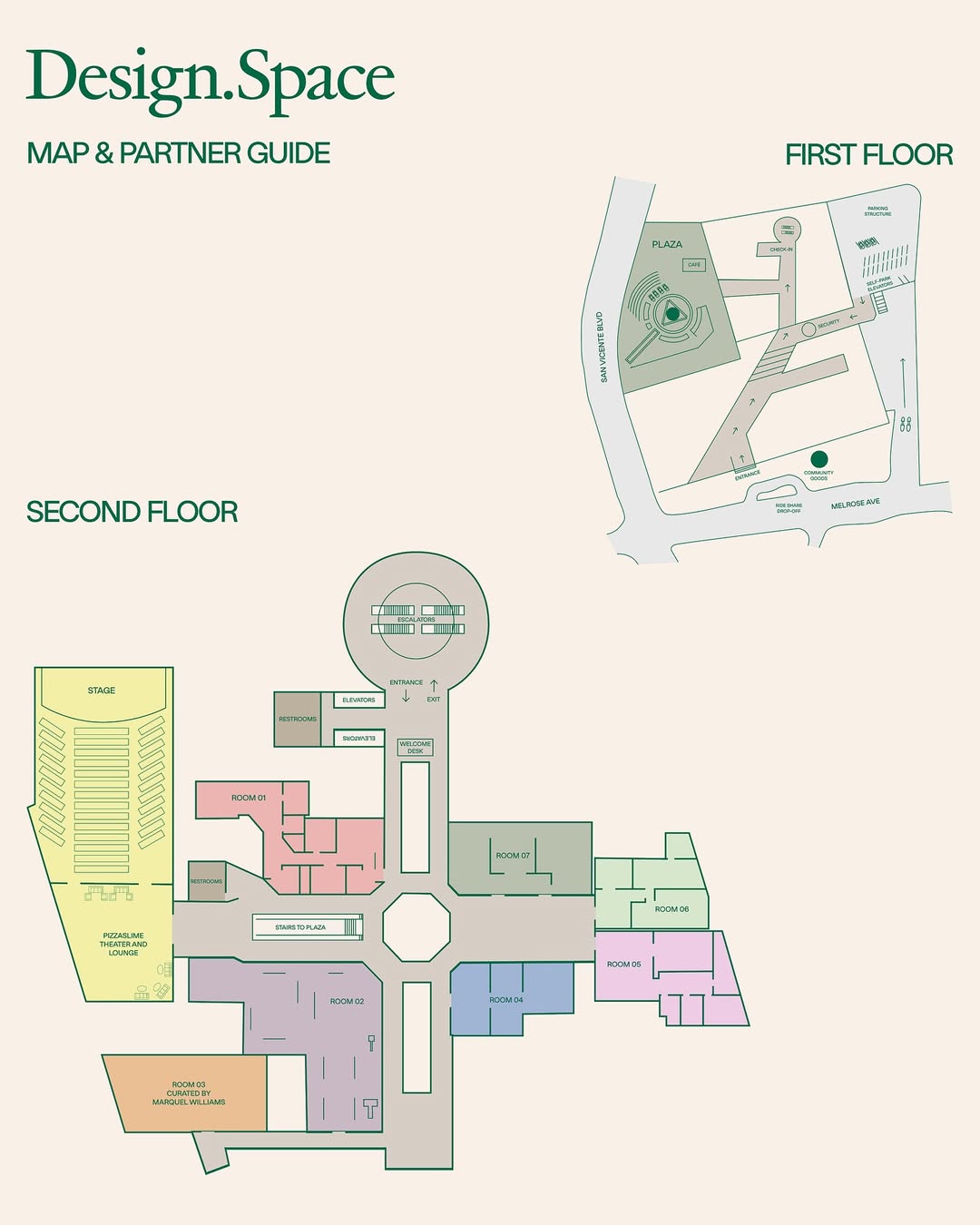

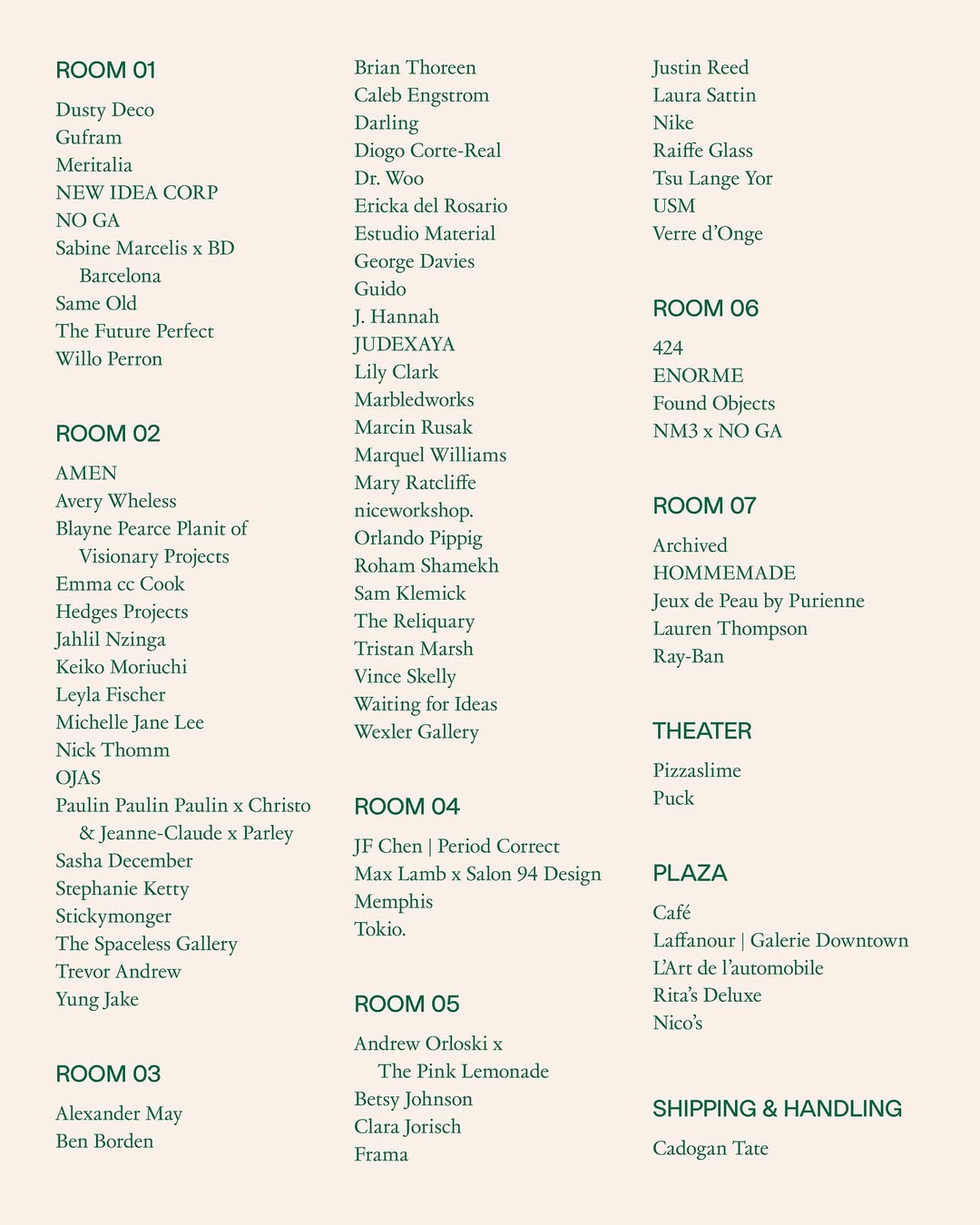
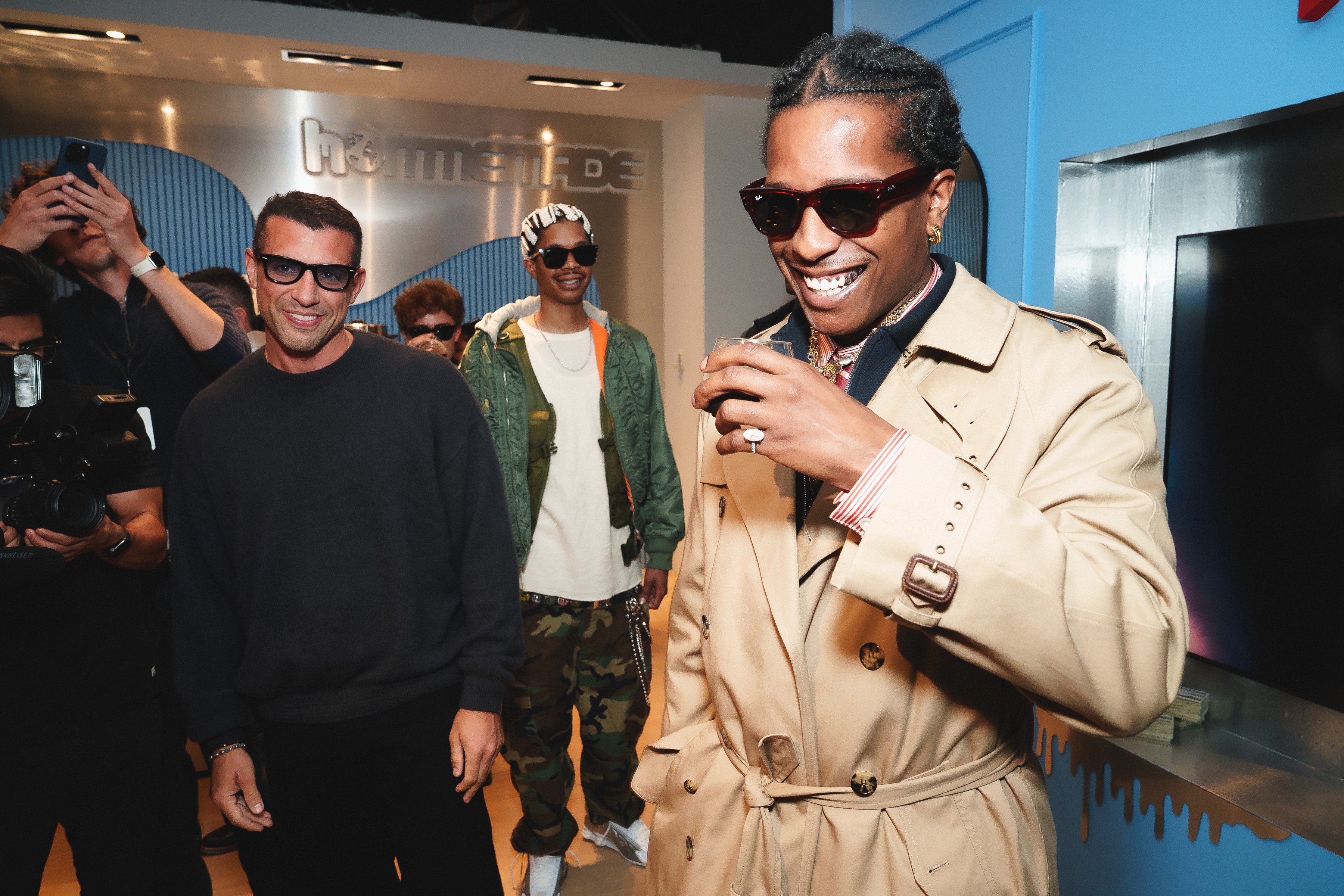
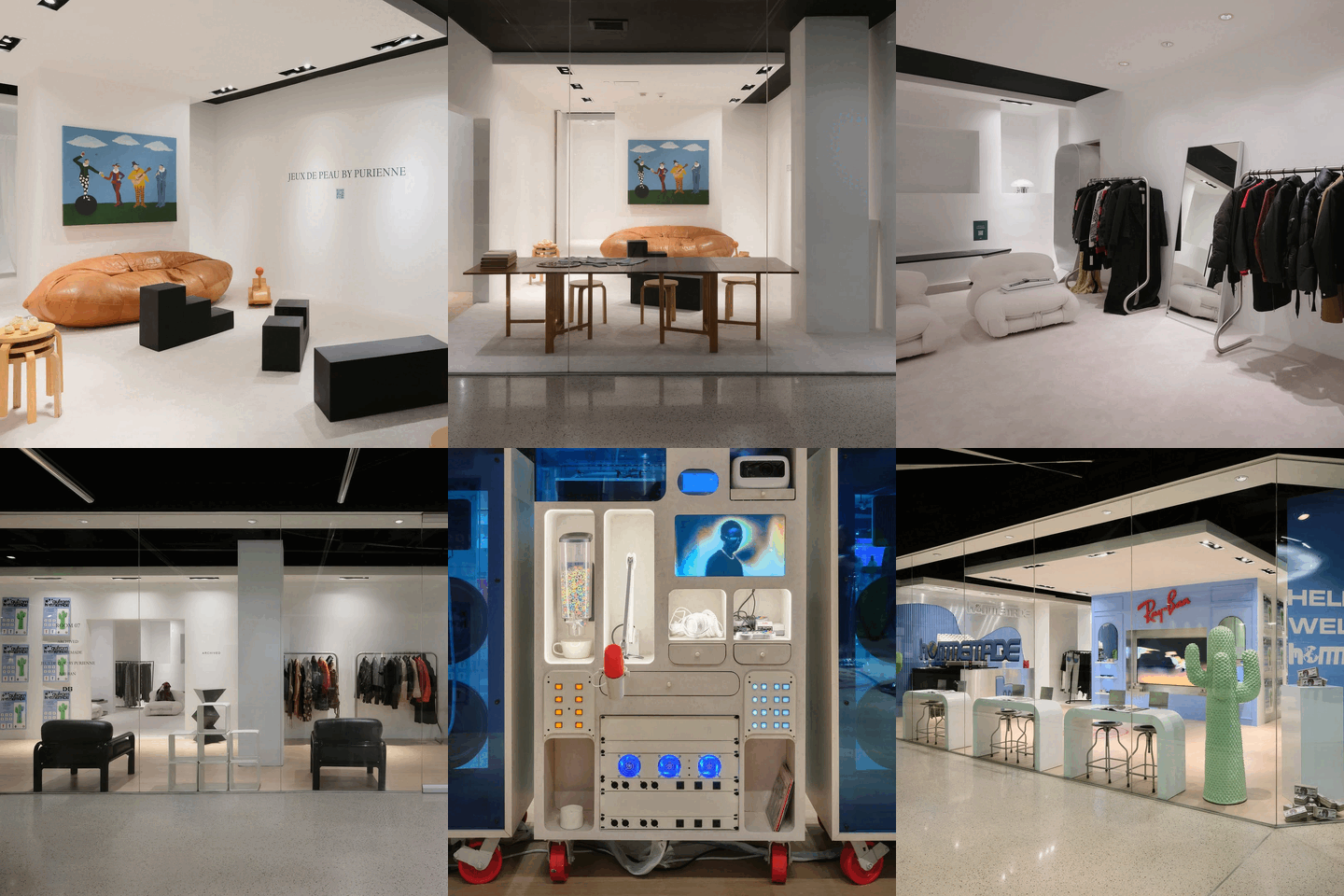
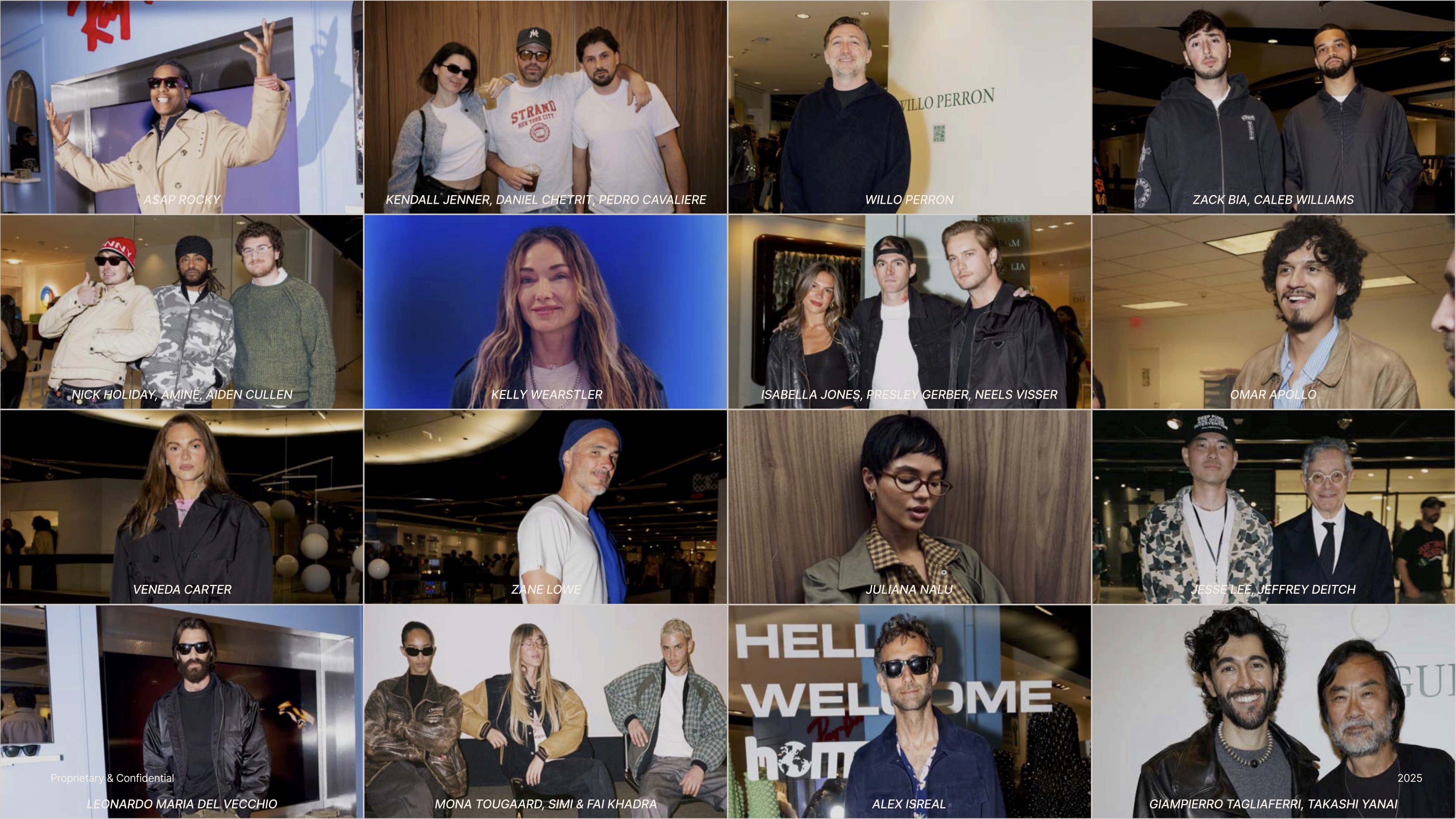
INSIDE THE PACIFIC DESIGN CENTER, WE DESIGNED A SINGULAR, COHESIVE SHOPPING ENVIRONMENT THAT HOUSED MULTIPLE BRANDS, INSTALLATIONS, AND EXPERIENCES WITHOUT FRAGMENTING THE JOURNEY. RATHER THAN SILOED BOOTHS, WE CREATED A CONTINUOUS FLOW MIMICKING A HIGH-END DEPARTMENT STORE SO THAT CONSUMER DISCOVERY FELT INTUITIVE AND IMMERSIVE. THROUGHOUT THE WEEKEND, GUESTS ENGAGED WITH DESIGN NOT ONLY AS OBJECTS, BUT AS STORIES THROUGH EXPERT PANELS, LIVE CONVERSATIONS, AND A SCREENING OF PIZZASLIME’S DESIGN DOCUMENTARY. THE AUDIENCE REFLECTED THE BREADTH OF THE EVENT ITSELF: DESIGNERS, COLLECTORS, ARTISTS, AND CULTURAL TASTEMAKERS ALONGSIDE FIGURES LIKE KENDALL JENNER, A$AP ROCKY, KELLY WEARSTLER, FAI KHADRA, OMAR APOLLO, VENEDA CARTER, JEFFREY DEITCH, AND MANY MORE.
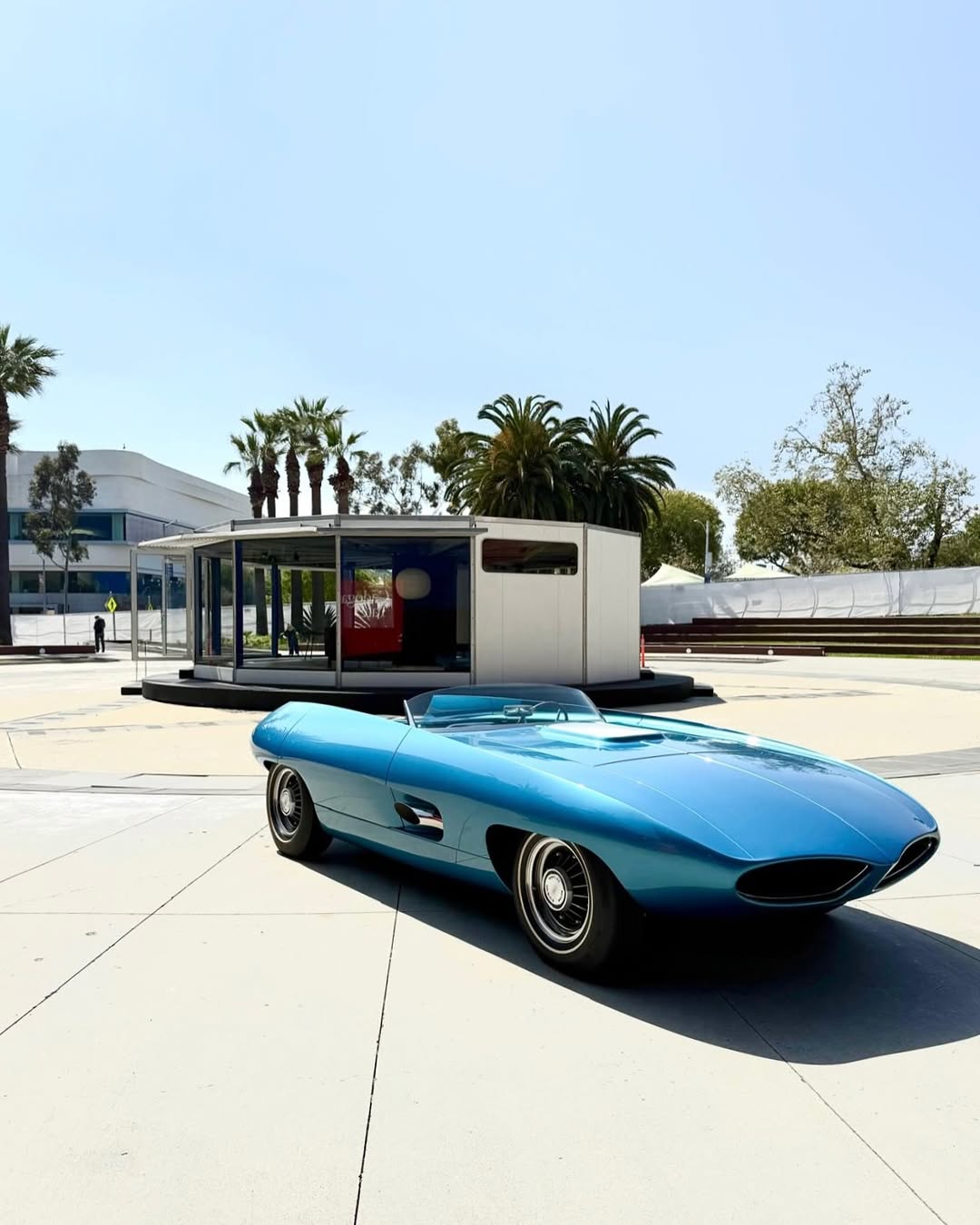
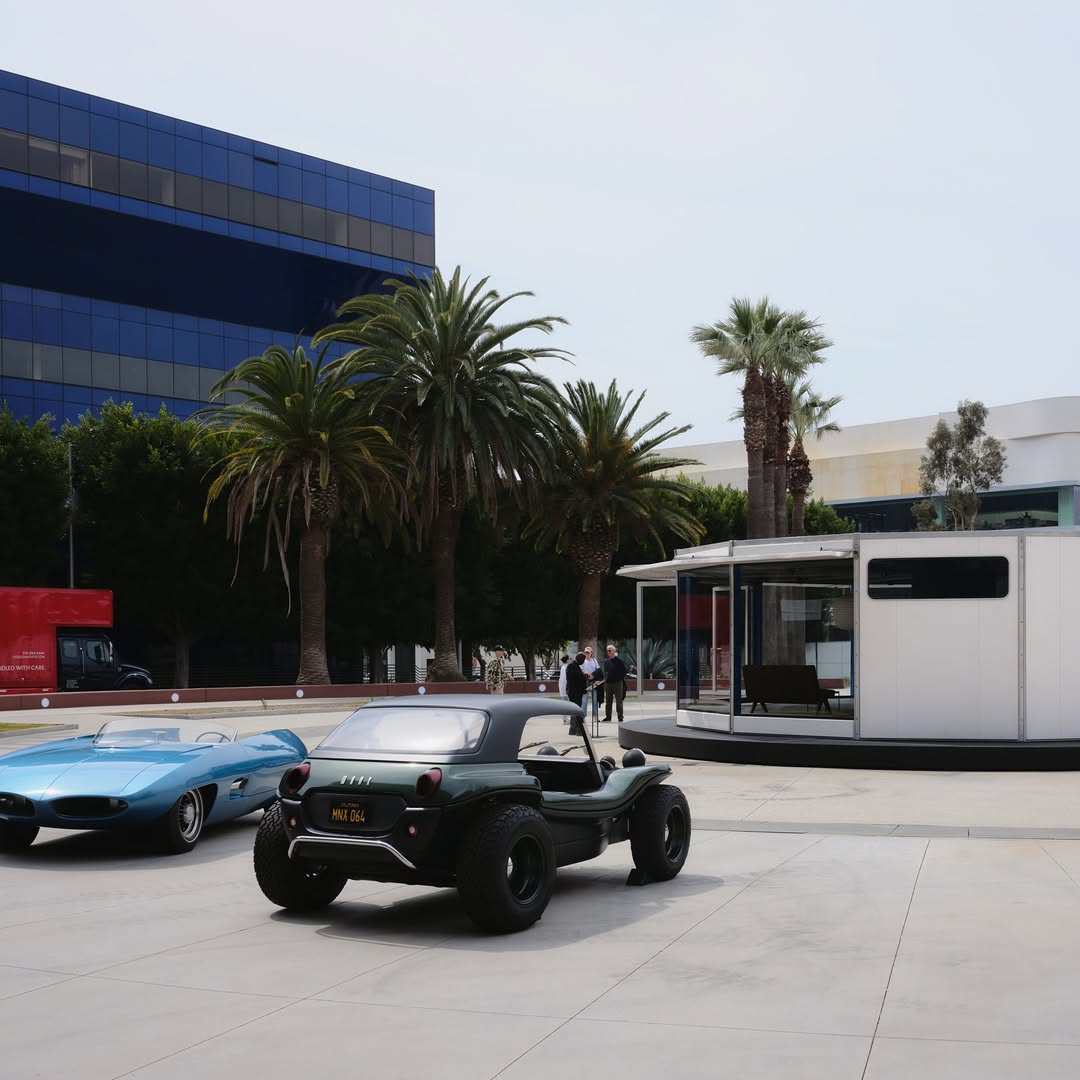
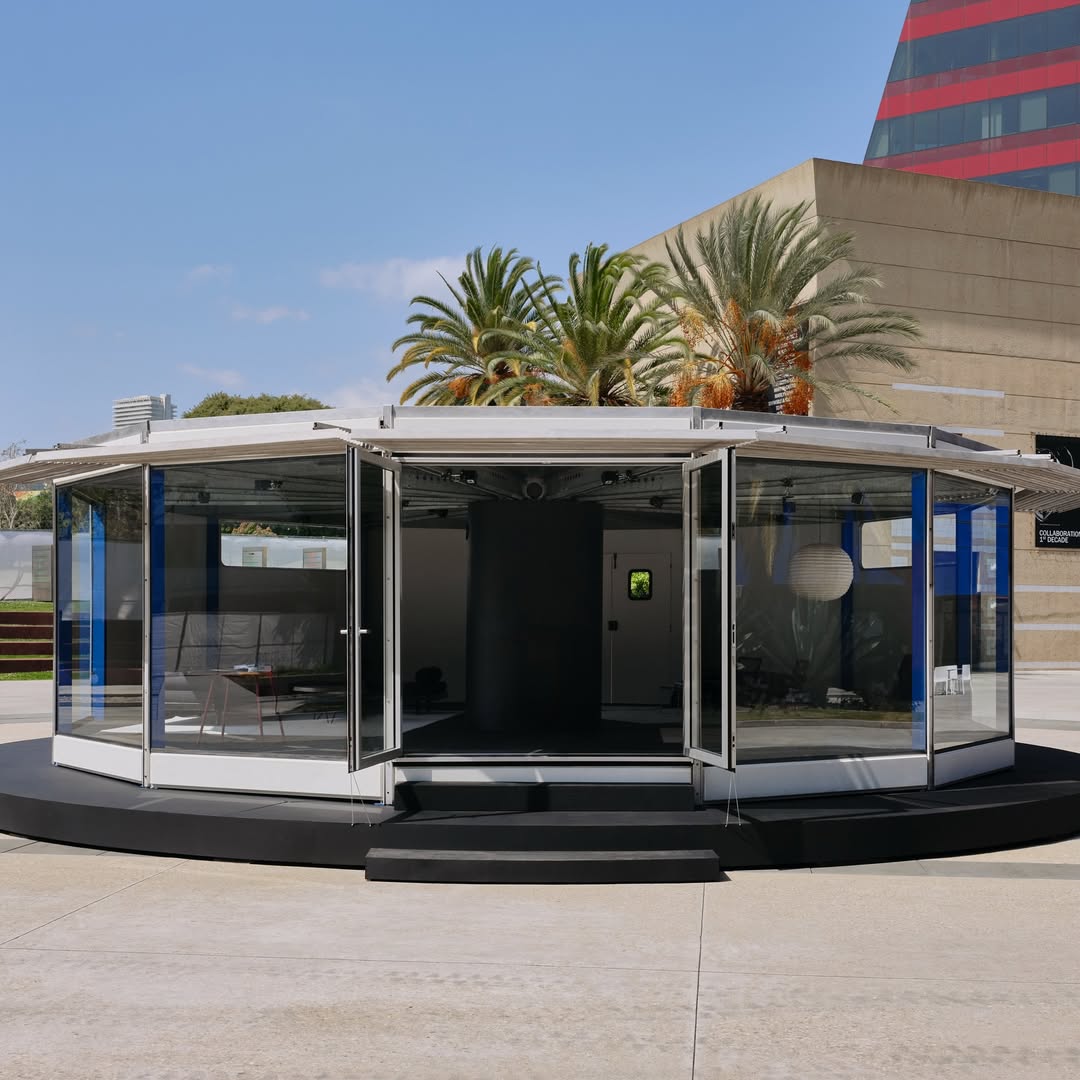
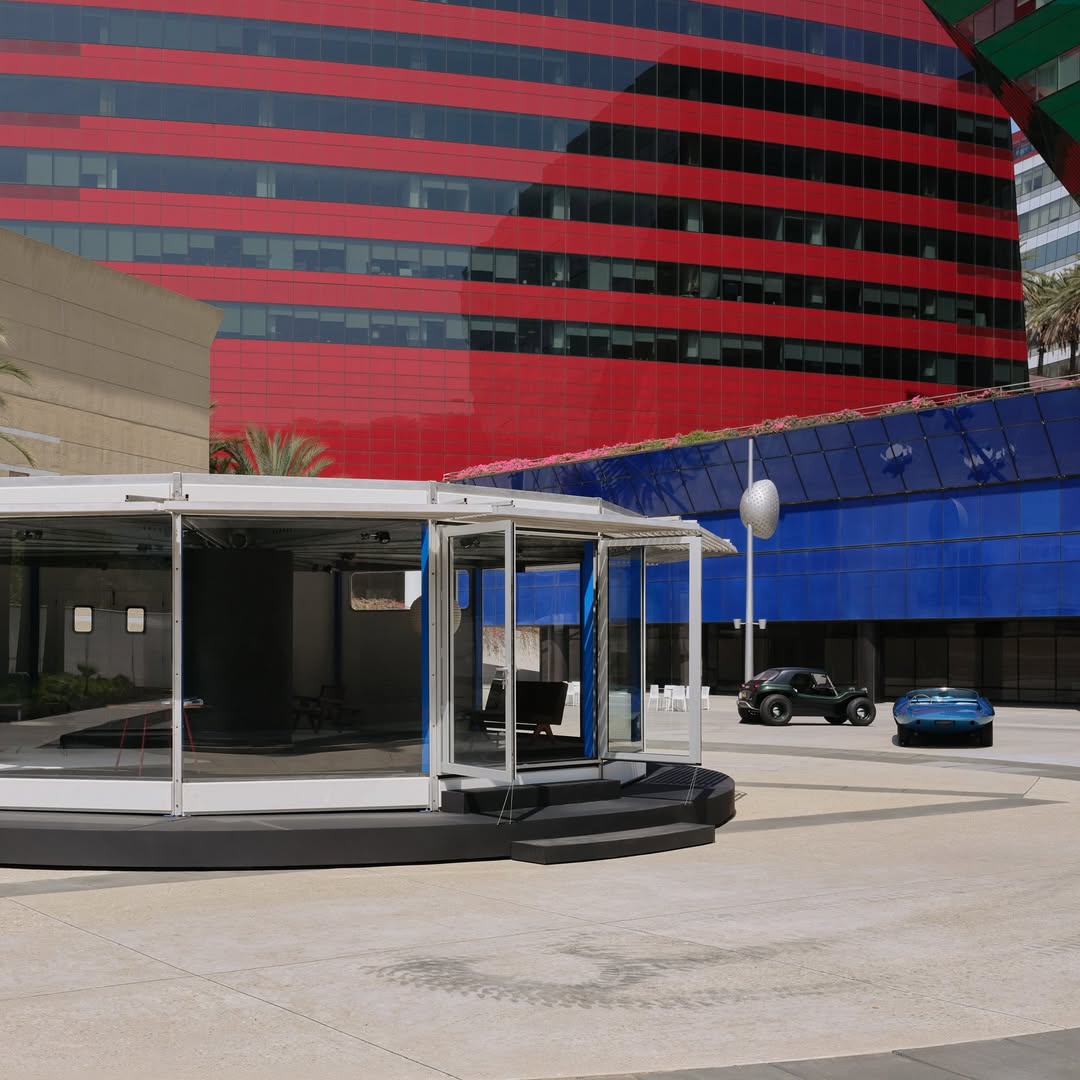
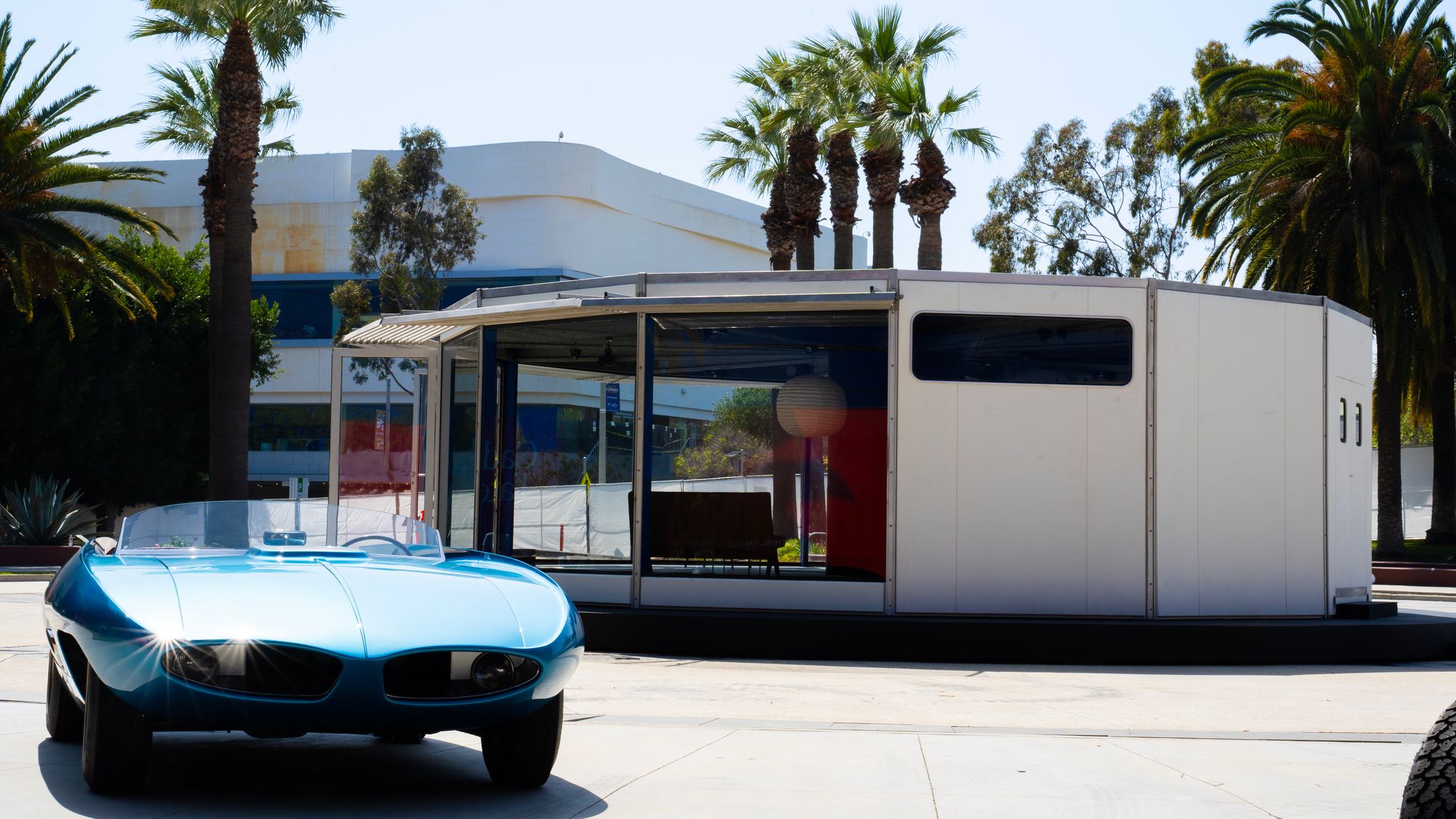
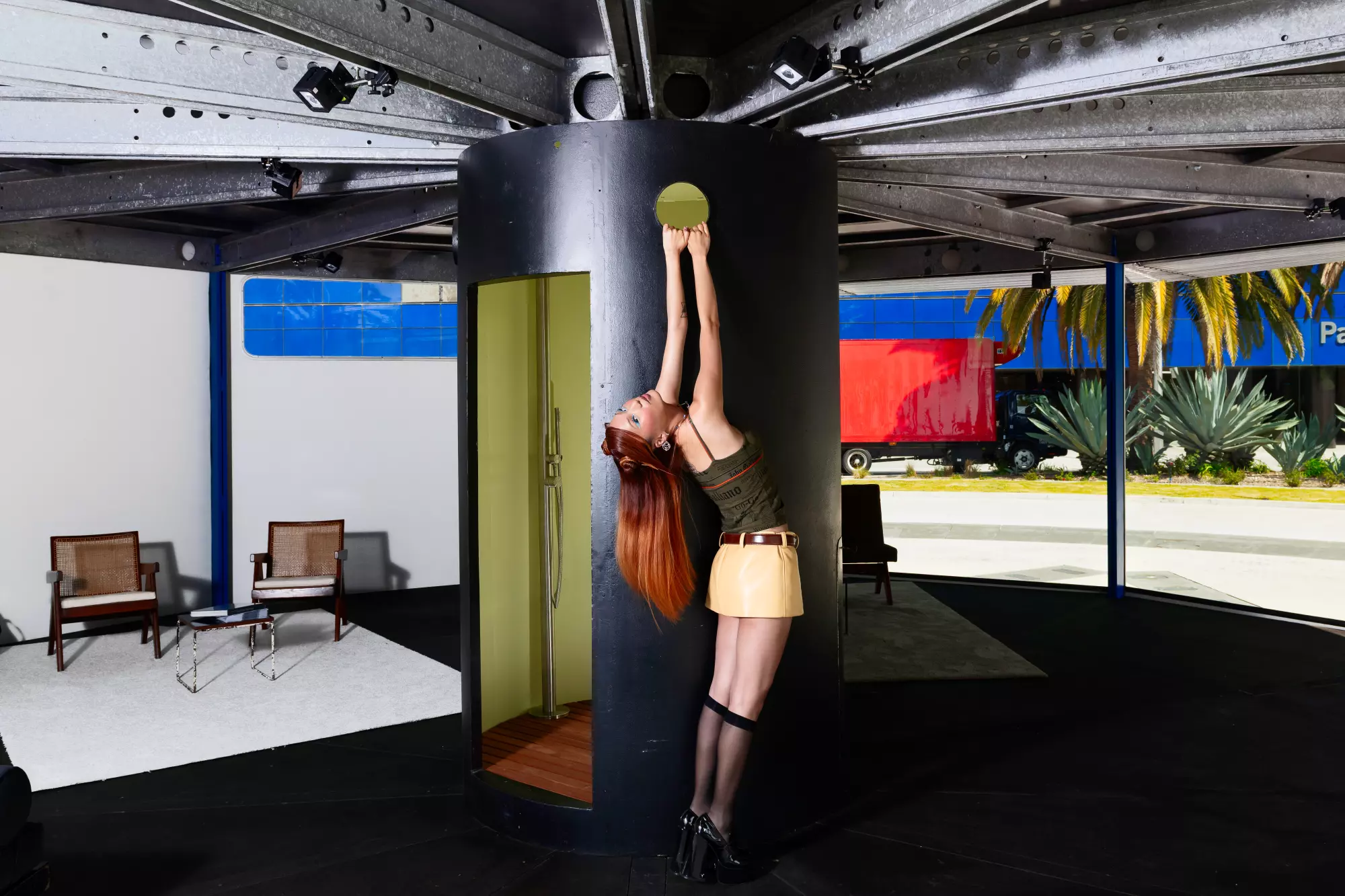
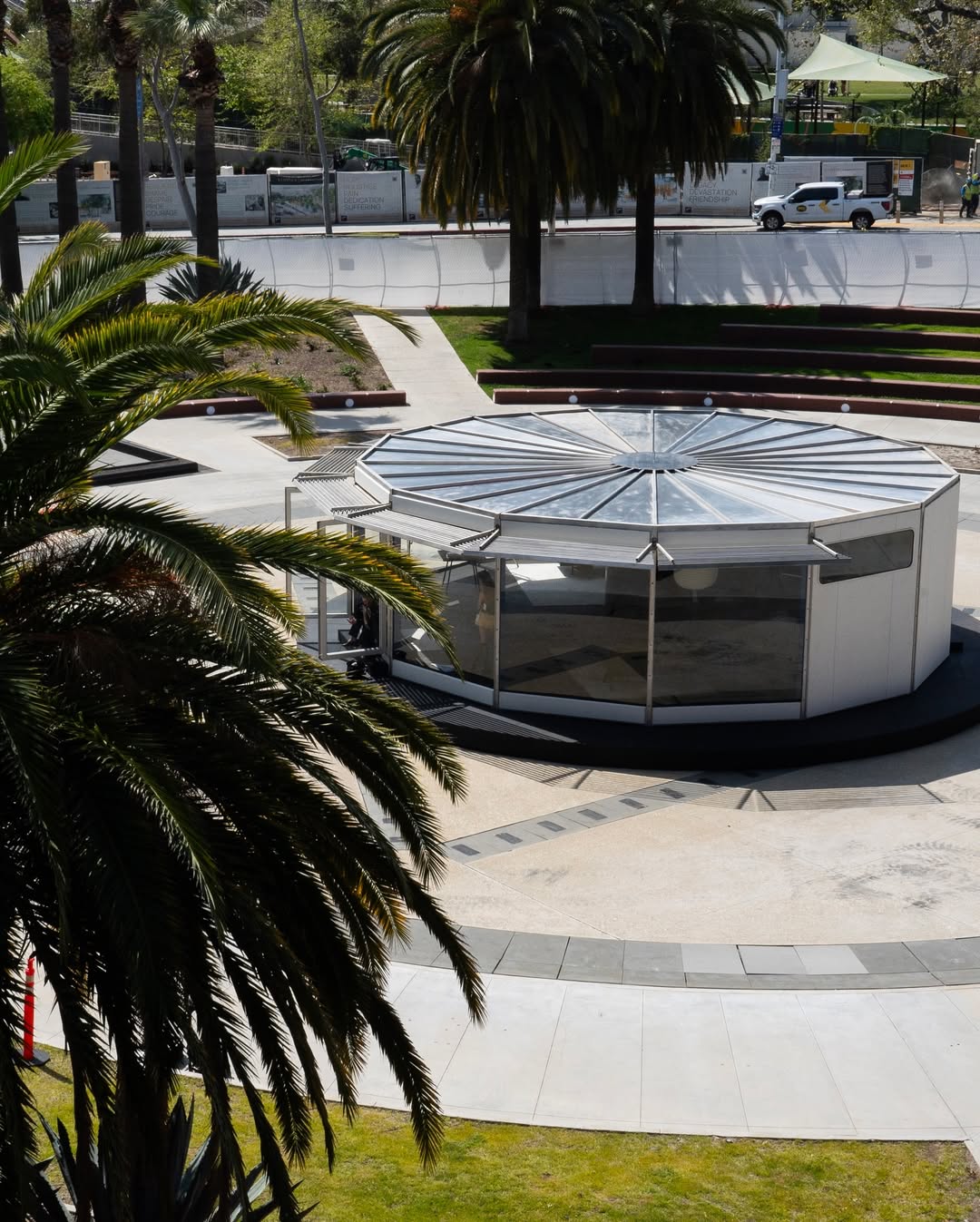
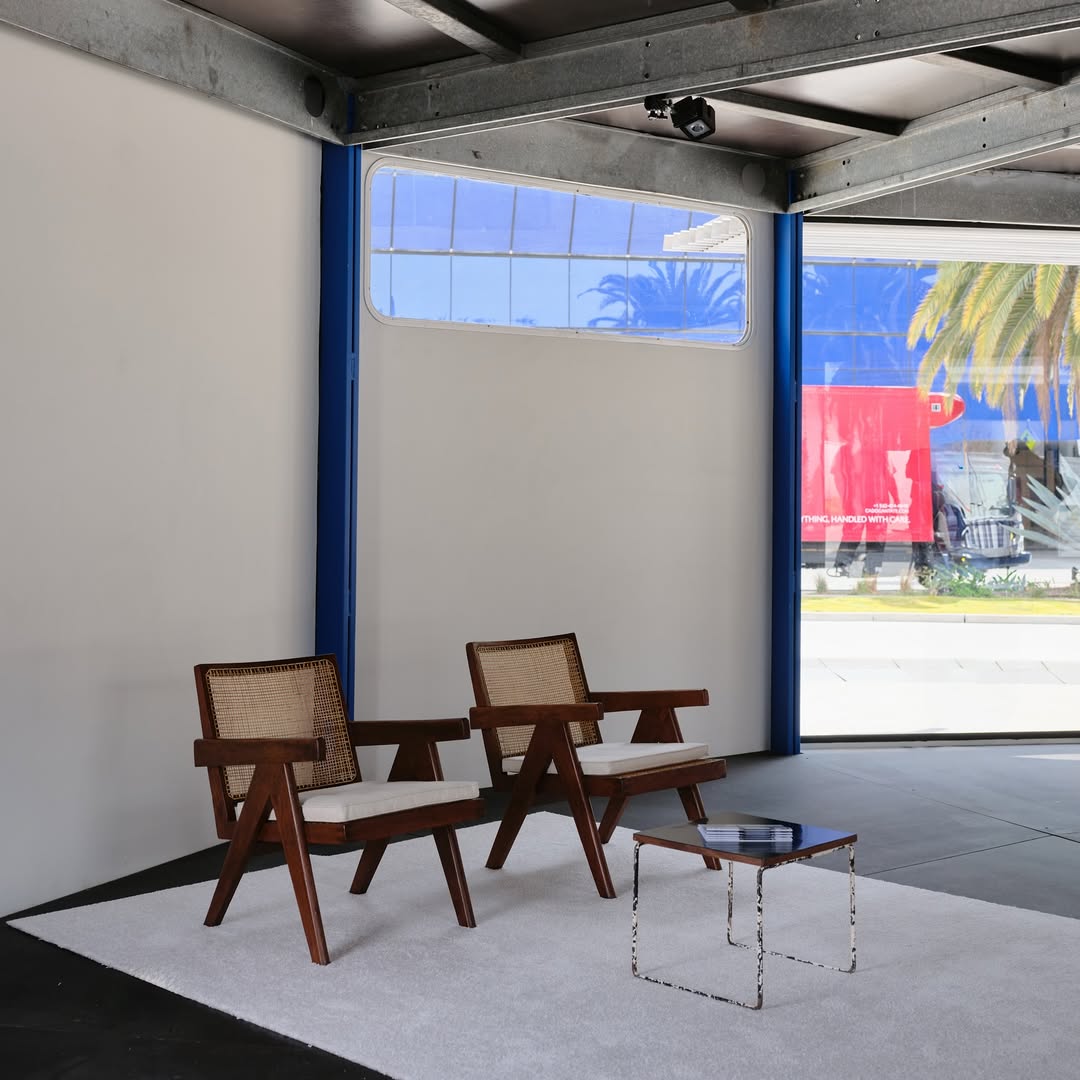
STANDOUT MOMENTS INCLUDED THE SERVICE STATION, A COLLABORATION BETWEEN FRANÇOIS LAFFANOUR AND ARTHUR KAR THAT JUXTAPOSED VINTAGE AUTOMOBILES AND HISTORIC FURNITURE, BRIDGING PARIS AND LOS ANGELES THROUGH DESIGN AND MECHANICS.

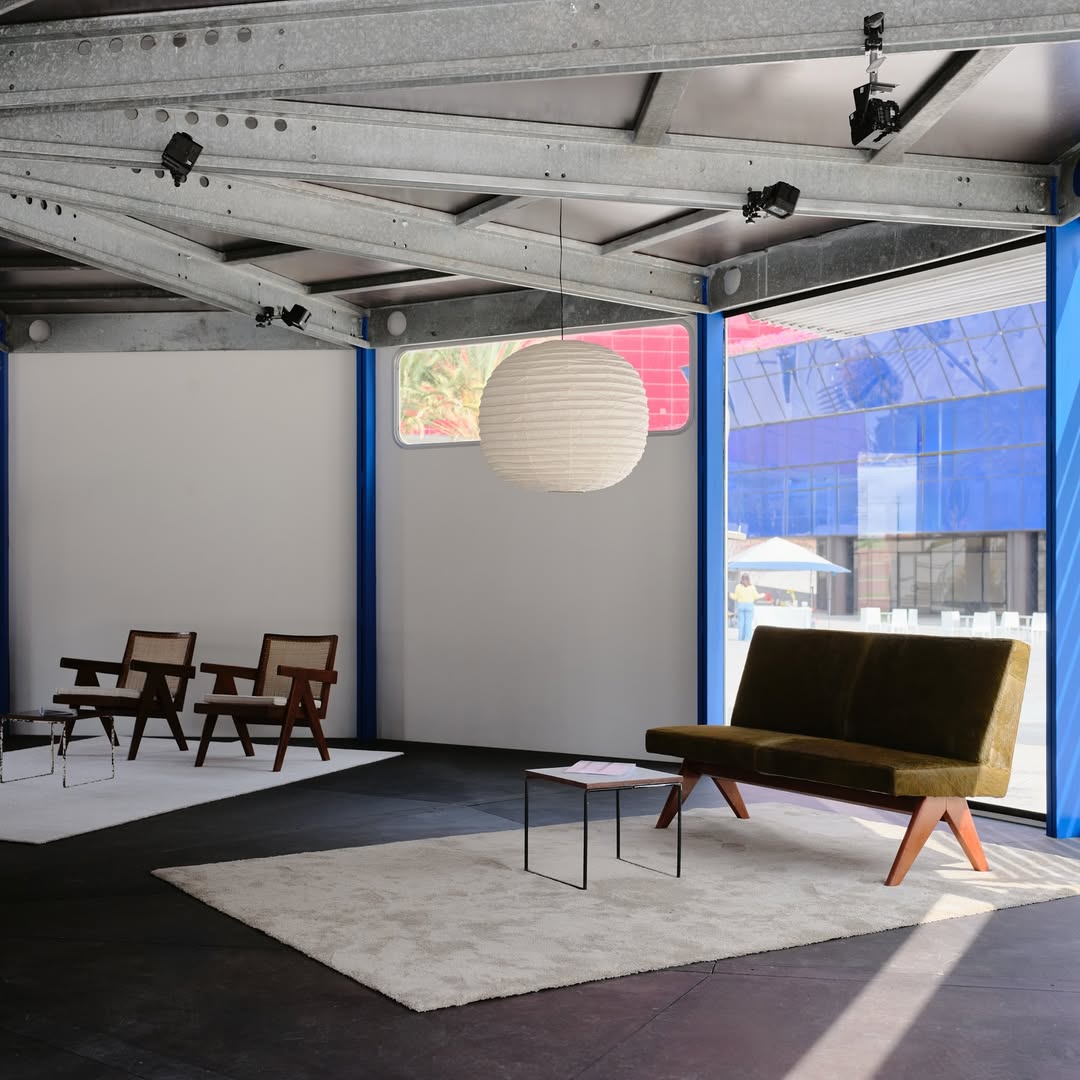
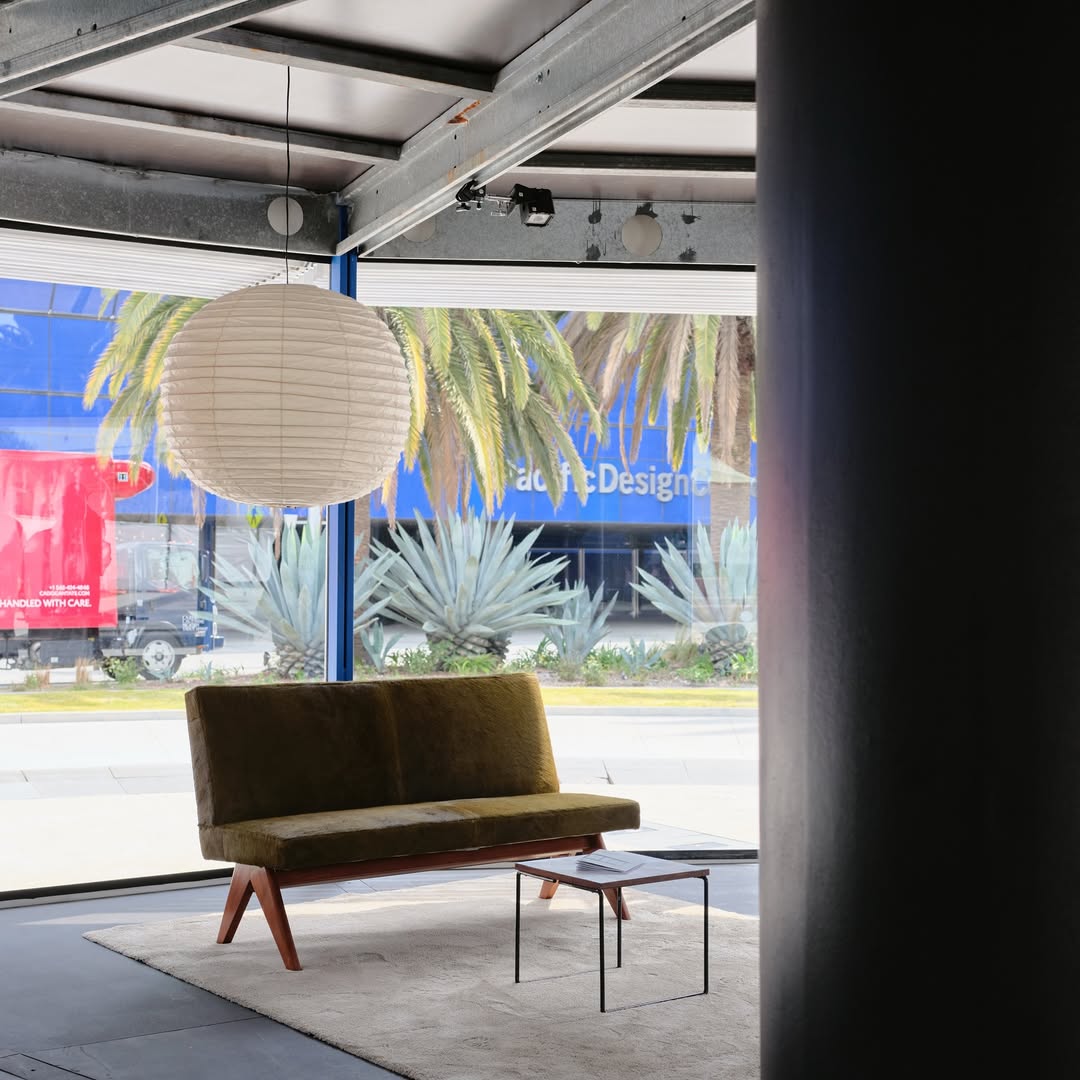
For the first time ever, Laffanour | Galerie Downtown brought the Jean Prouvé Gas Station to US soil for Design.Space LA.

WE CONTEXTUALIZED THE ICONIC ‘SAINTE-MARIE’ GAS STATION, DESIGNED BY FRENCH ARCHITECT JEAN PROUVÉ IN 1969, WITH A COLLECTION OF CARS FROM ARTHUR KAR, POP CULTURE'S FAVORITE DEALER OF RARE AND VINTAGE AUTOMOBILES, TO ANCHOR THE EXPERIENCE IN THE COURTYARD.
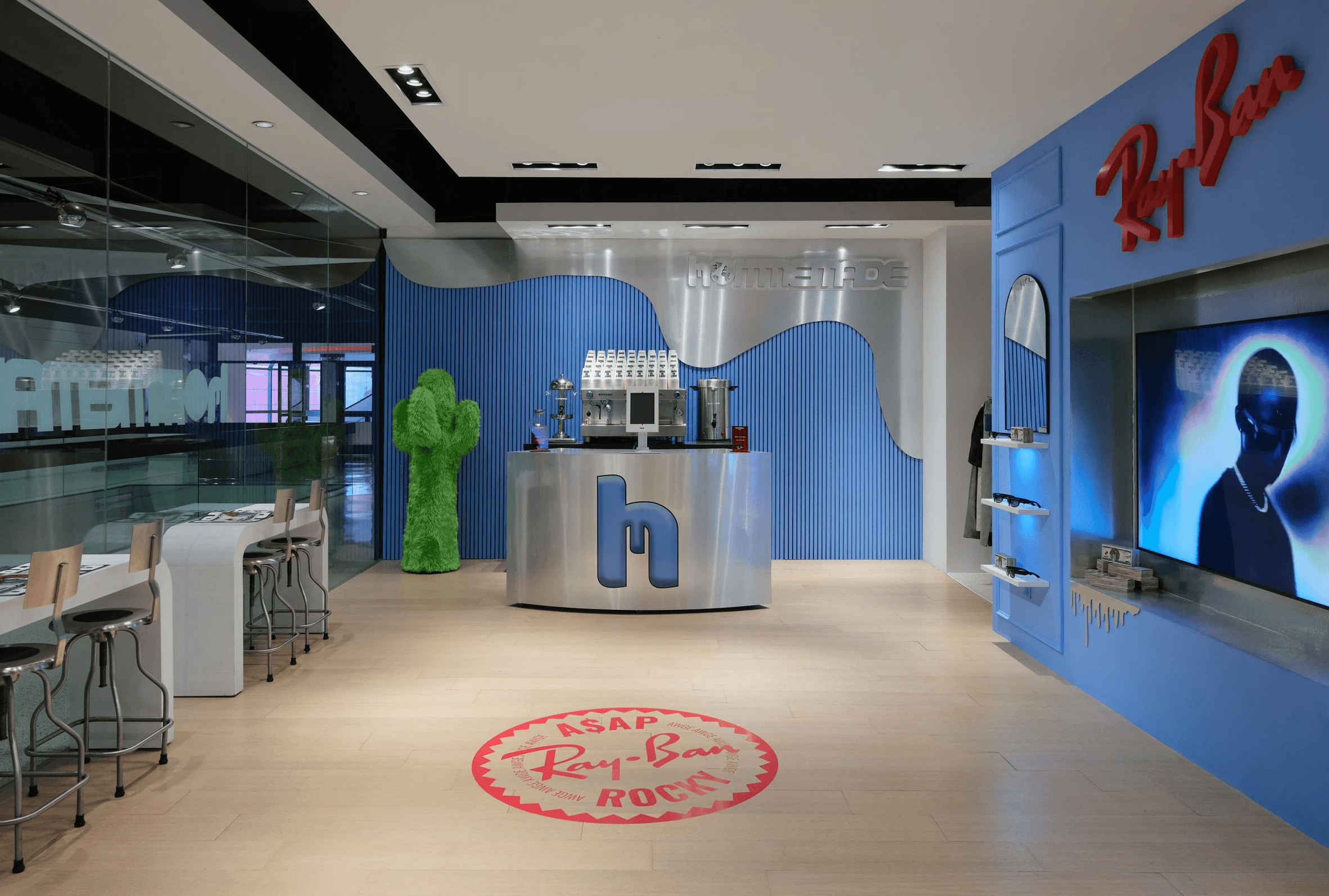
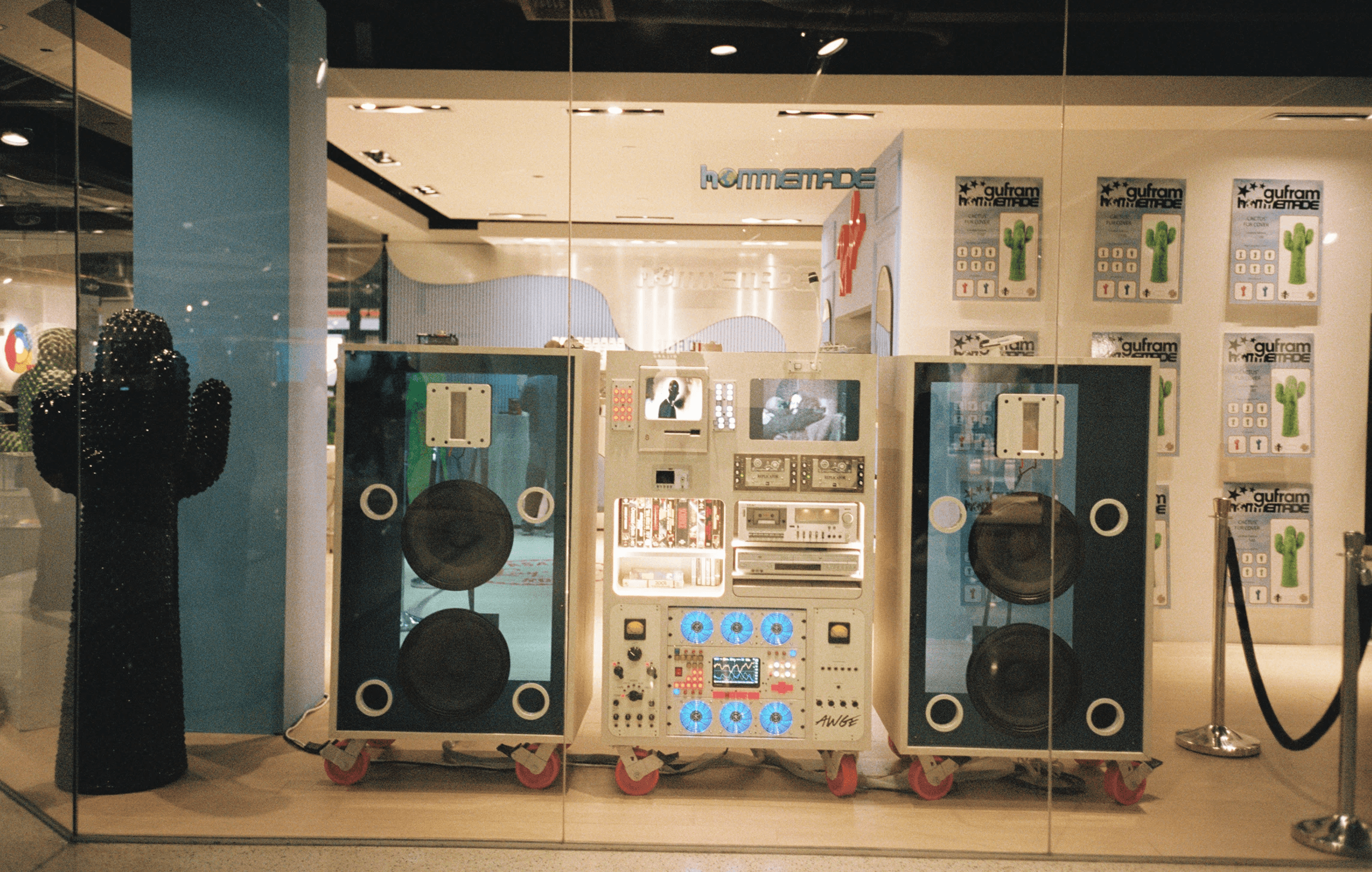
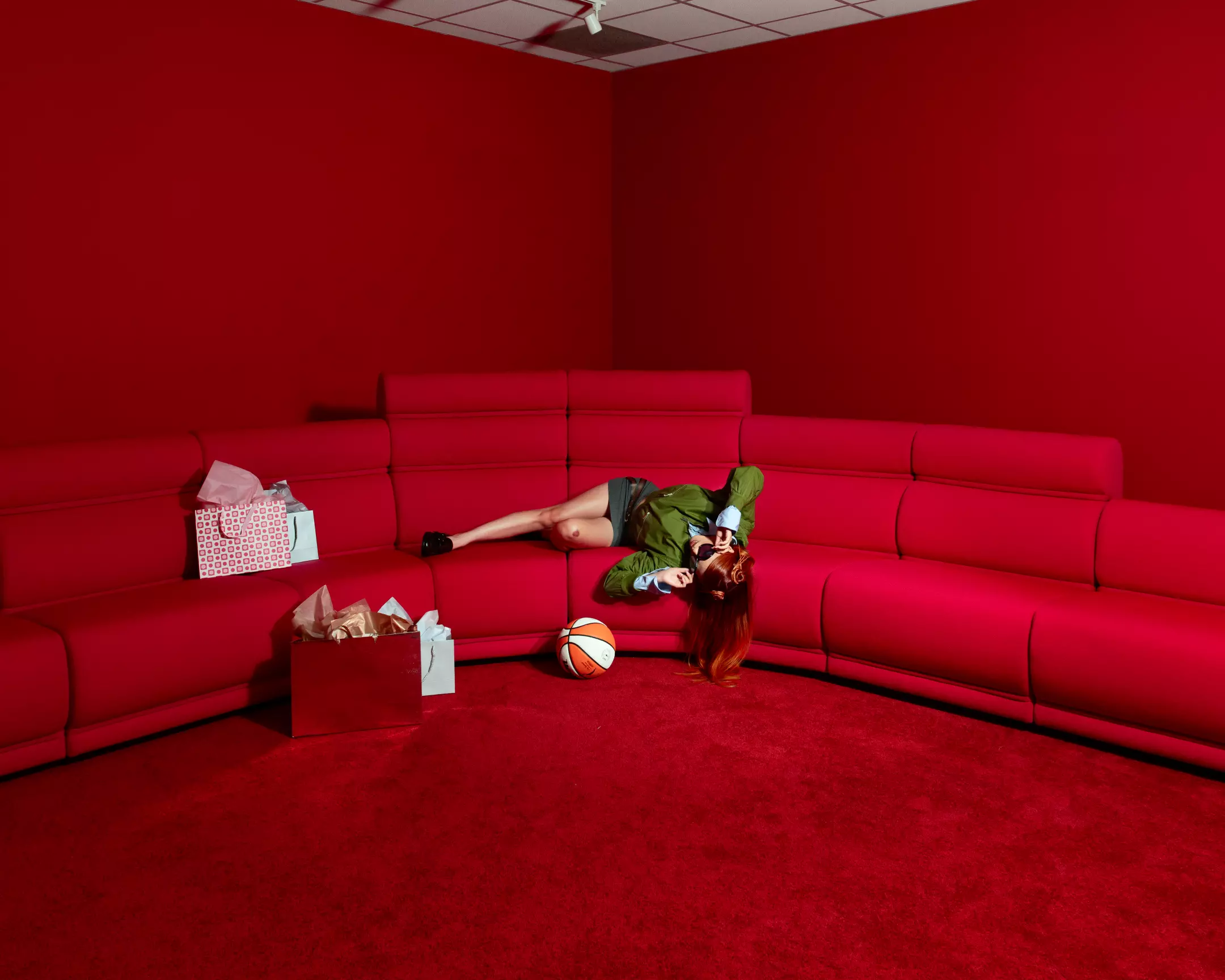
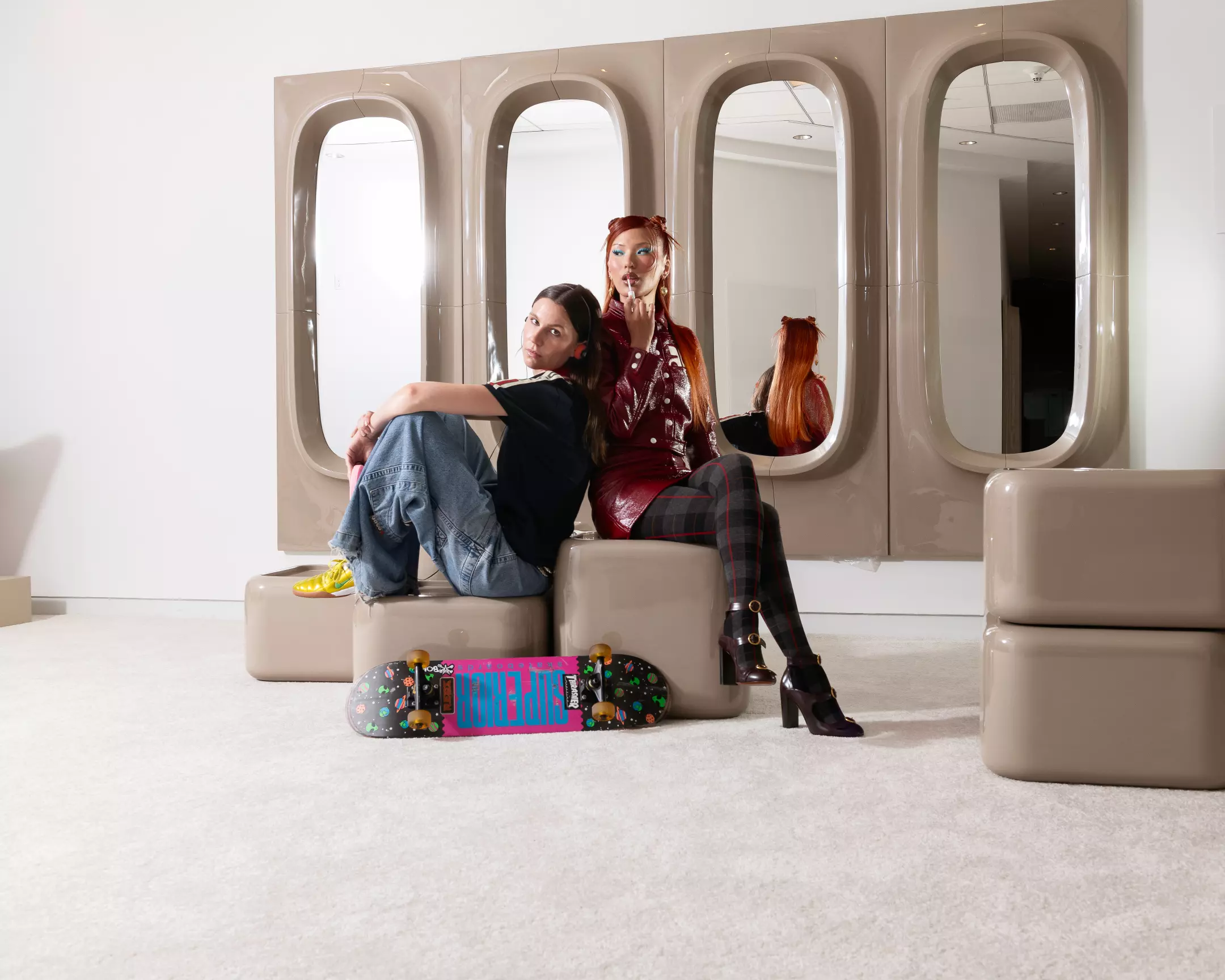
Throughout the day, visitors explored a focused selection of brands curated by Buddy, including Carrots by Anwar Carrots, Supervsn, T-rex Global, Boys in Toyland, and more. TO MARK THE OCCASION, WE EVEN PARTNERED WITH TOMMY NOWELS TO CREATE ORIGINAL MERCH FOR THE ALBUM.

I worked closely with Buddy to ensure these labels were chosen not only for their cultural relevance but for how they complemented the spatial design of the boutique itself. I also arranged and art-directed a photoshoot for Buddy to model key pieces from the boutique, using the visuals to spotlight the brands in a way that felt authentic to him.

Each product became part of the room’s visual language, contributing to an immersive portrait of Buddy’s world.

Fashion functioned like collectible design: intentionally sourced, contextually placed, and integrated into the atmosphere to reflect his identity.

Another defining moment unfolded with the arrival of the ENORME telephone by Jean Pigozzi, Ettore Sottsass, and David Kelley. Originally designed in the 1980s as a radical postmodern response to emerging communication technology, ENORME has long existed as a near-mythic object in design history—held in permanent collections at institutions like MoMA and The Met, but rarely encountered in the market.

Just ahead of Design.Space LA, a remarkable discovery changed that: a cache of roughly 500 unopened ENORME telephones, preserved for decades in storage in Northern California, resurfaced and became available for the first time.

The timing transformed their presence at Design.Space into something larger than product availability. Guests weren’t simply shopping an iconic object; they were encountering a chapter of design history reintroduced into the cultural conversation in real time.

The moment underscored what Design.Space set out to do from the beginning—collapse the distance between archive and access, and allow historically significant design to be experienced, collected, and lived with again.

Another defining moment unfolded with the arrival of the ENORME telephone by Jean Pigozzi, Ettore Sottsass, and David Kelley. Originally designed in the 1980s as a radical postmodern response to emerging communication technology, ENORME has long existed as a near-mythic object in design history—held in permanent collections at institutions like MoMA and The Met, but rarely encountered in the market.

Just ahead of Design.Space LA, a remarkable discovery changed that: a cache of roughly 500 unopened ENORME telephones, preserved for decades in storage in Northern California, resurfaced and became available for the first time.

The timing transformed their presence at Design.Space into something larger than product availability. Guests weren’t simply shopping an iconic object; they were encountering a chapter of design history reintroduced into the cultural conversation in real time.

The moment underscored what Design.Space set out to do from the beginning: collapse the distance between archive and access, and allow historically significant design to be experienced, collected, and lived with again.

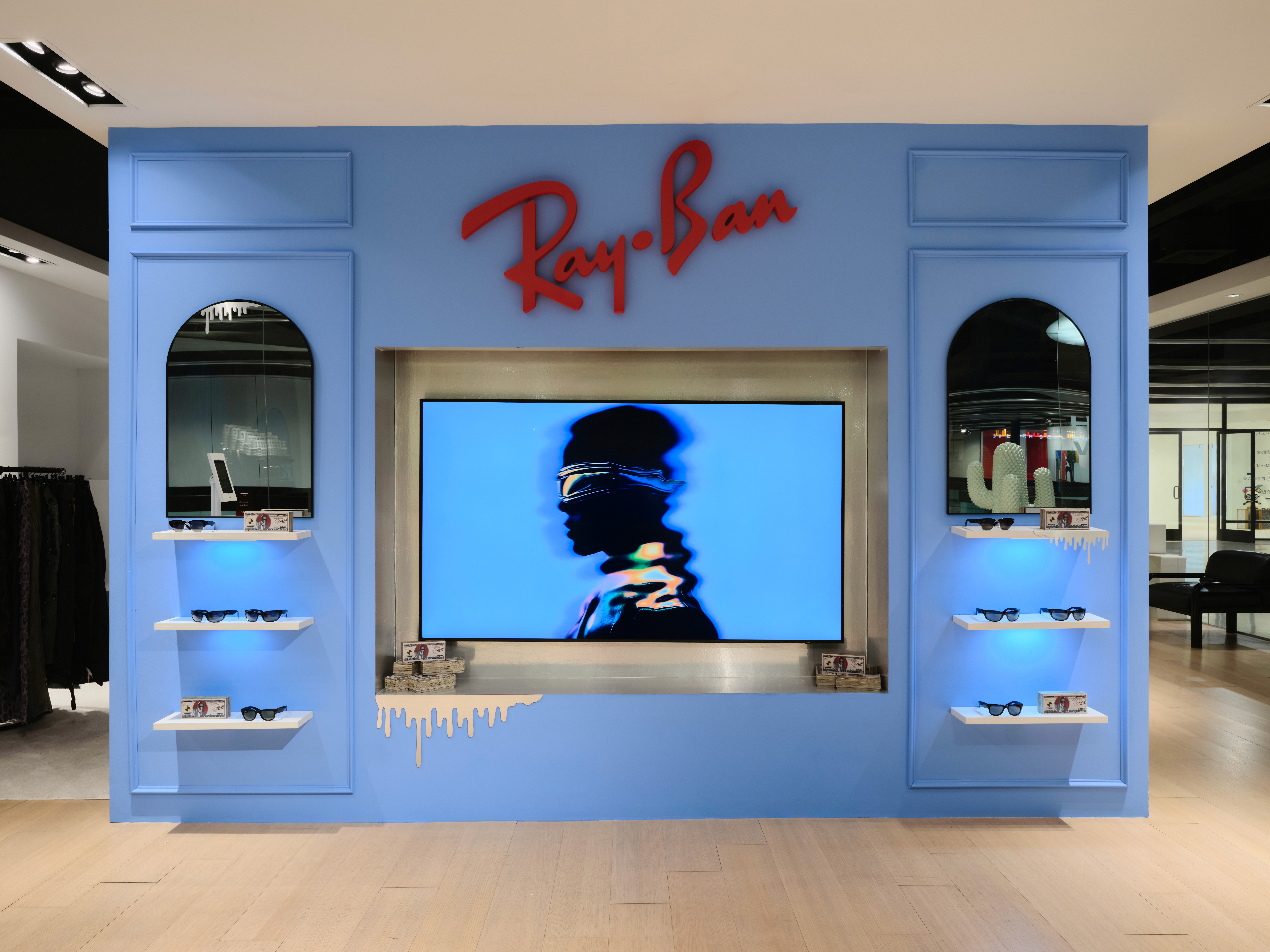
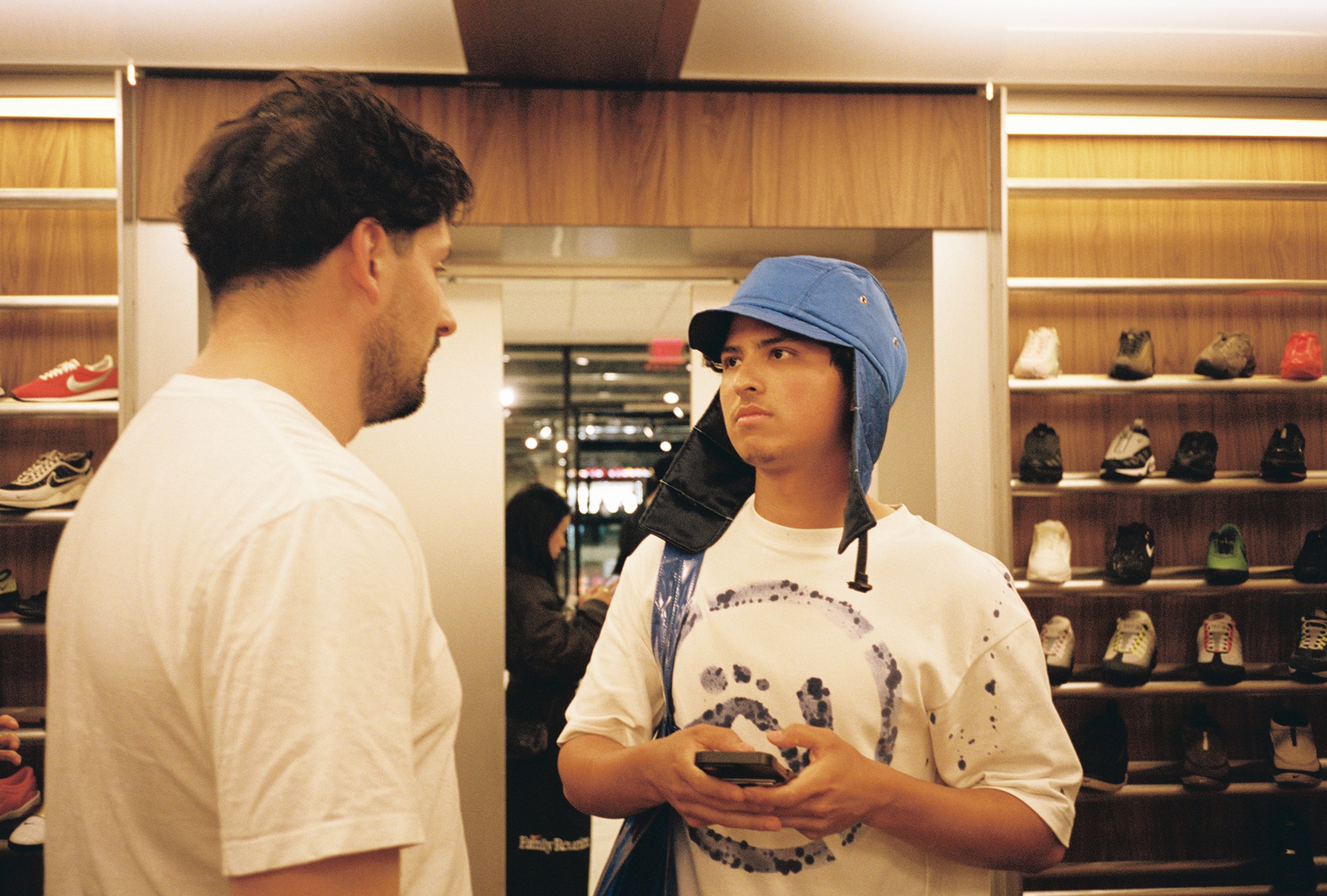
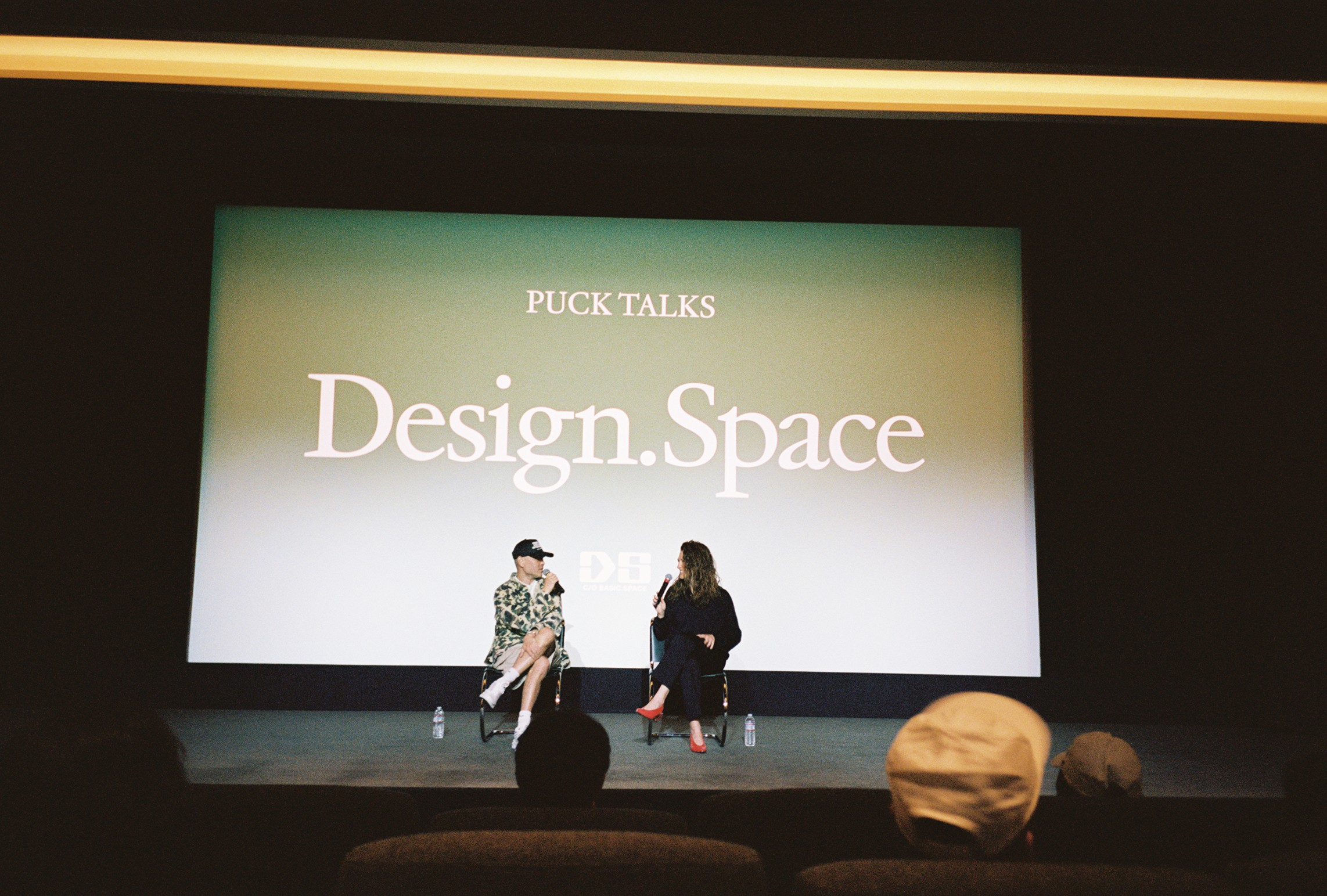
Our brand partnerships were embedded seamlessly into the experience, each adding cultural relevance without overwhelming the design narrative. Apple equipped the entire event with iPhones, iPads, and MacBooks, powering sales and documentation while supporting a content series shot entirely on iPhone. Nike hosted a private gifting suite featuring unreleased product in a custom-built closet designed by pedro cavaliere. AND The strategic partnership between Puck and Design.Space combined insider news with insider shopping. Puck’s fashion expert Lauren Sherman and art expert Marion Maneker promoted the event and key products, amplifying reach. On-site, Puck Talks hosted a live podcast and two panels with industry leaders in fashion, art, and design.

These integrations weren’t sponsorships — they were extensions of the world we were building, reinforcing BASIC.Space as a platform where commerce, culture, and creativity coexist naturally.

Our brand partnerships were embedded seamlessly into the experience, each adding cultural relevance without overwhelming the design narrative. Apple equipped the entire event with iPhones, iPads, and MacBooks, powering sales and documentation while supporting a content series shot entirely on iPhone. Nike hosted a private gifting suite featuring unreleased product in a custom-built closet designed by pedro cavaliere. AND The strategic partnership between Puck and Design.Space combined insider news with insider shopping. Puck’s fashion expert Lauren Sherman and art expert Marion Maneker promoted the event and key products, amplifying reach. On-site, Puck Talks hosted a live podcast and two panels with industry leaders in fashion, art, and design.

These integrations weren’t sponsorships — they were extensions of the world we were building, reinforcing BASIC.Space as a platform where commerce, culture, and creativity coexist naturally.

to help bring this inaugural retail experience to life from concept through execution, My role spanned both creative and operational leadership — managing internal creative teams, external production partners, and freelance talent across photography, video, and set design. I also assisted with e-commerce and brand storytelling content, ensuring continuity between the physical experience and the digital narrative that followed.

Throughout the weekend, I helped manage the flow of the event on the ground, coordinating between creative direction and crew, troubleshooting in real time, and making on-set decisions to ensure we stayed aligned with our vision while adapting to the realities of a live environment. representing Basic.Space in interactions with vendors, partners, and collaborators, i helped maintain the relationships and trust required to execute an event of this scale with precision and intention.
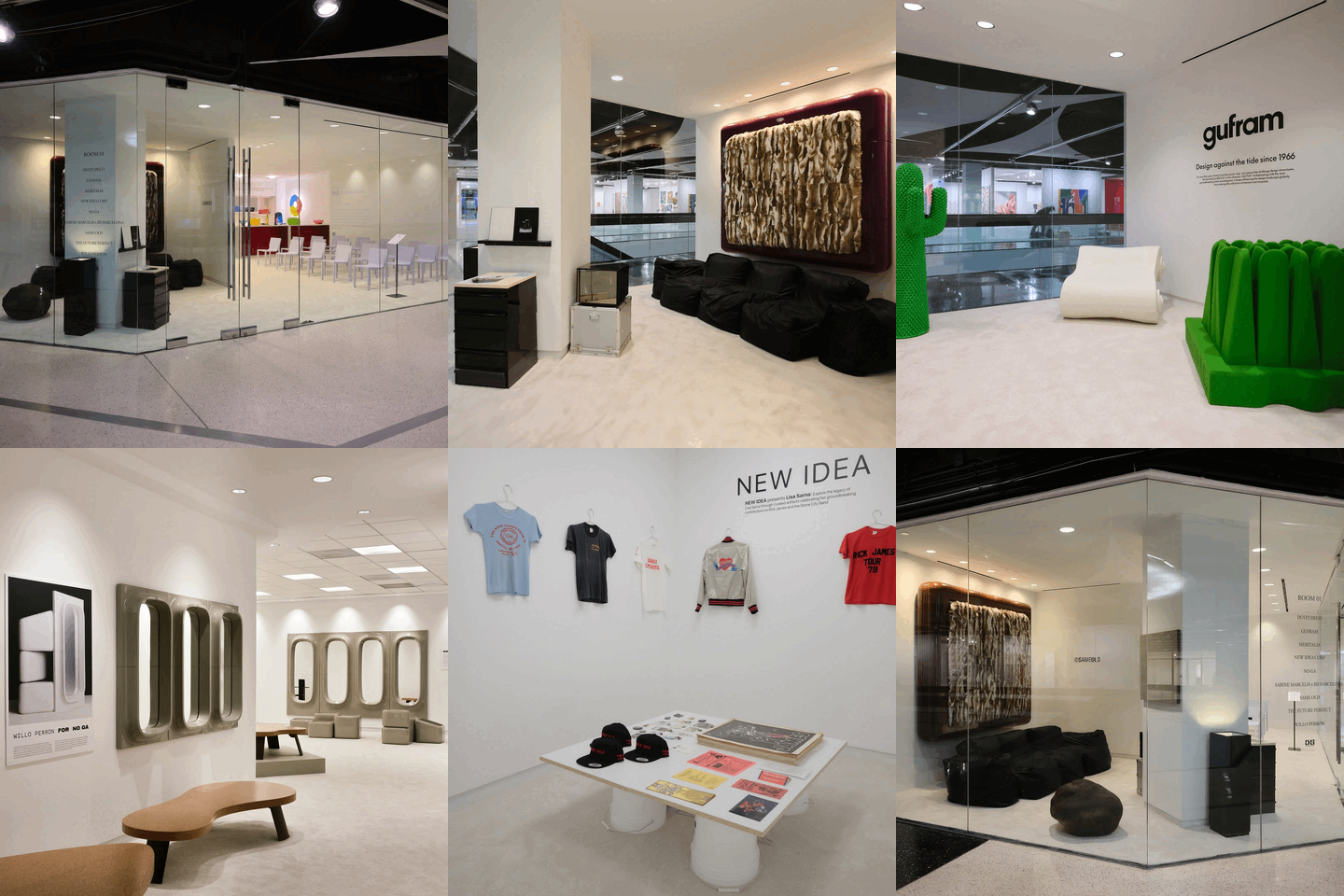
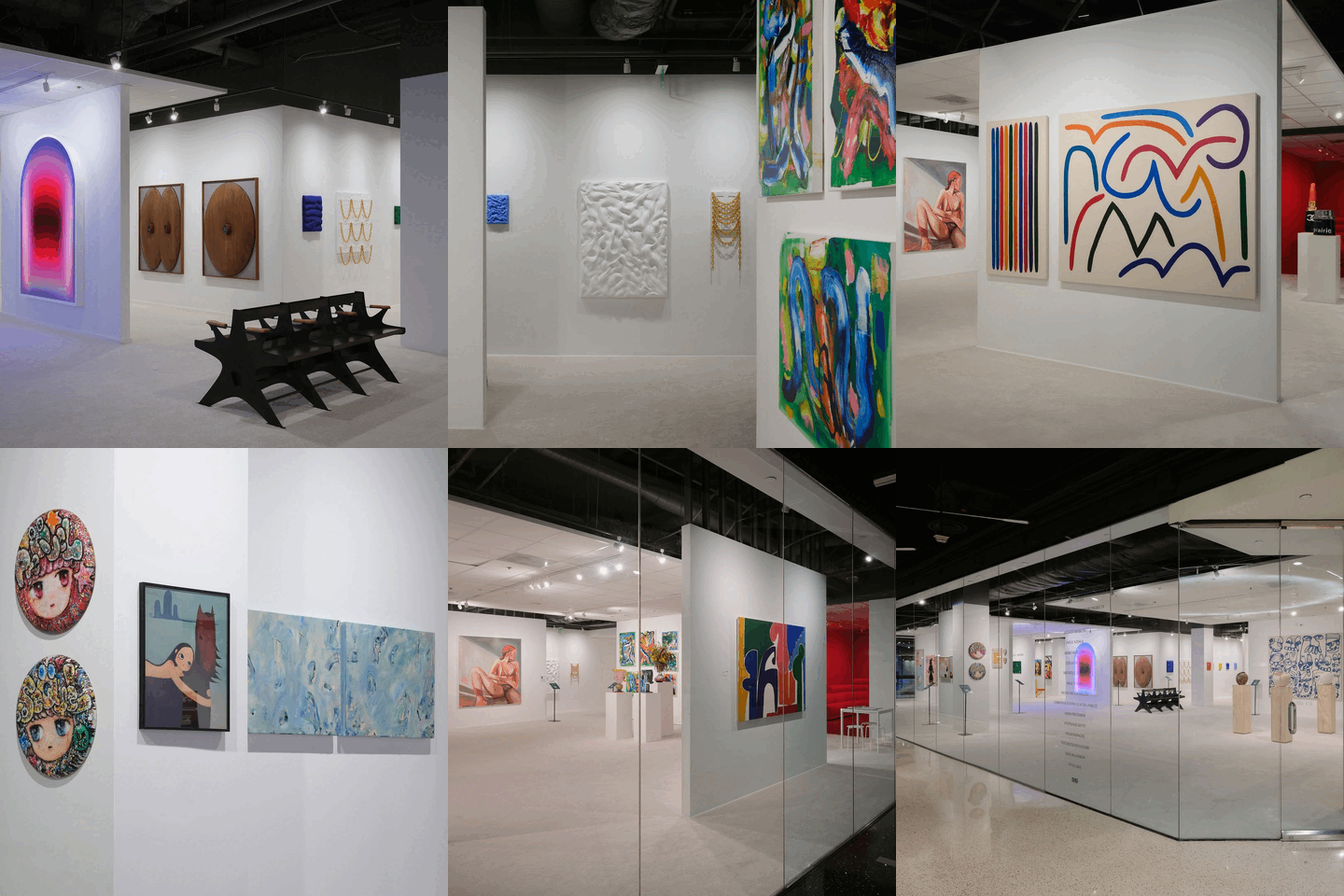
Over 4,000 invite-only guests attended Design.Space LA across 2.5 days, with more than 5,000 RSVPs and hundreds of millions in combined social (300M+) and press (224m+) reach — including Los angeles times, GALERIE MAGAZINE, nylon, WALLPAPER, ARTNET, wdd, flAUNT MAGAZINE (x2), DEZEEN, AND hypebeast.

But beyond the numbers, the true success of Design.Space was in how it reframed design as something lived with, collected, and shared. A LUXURY THAT IS THOROUGHLY ENJOYED, not observed from a distance.

Design.Space LA set the foundation for an entirely new retail and experiential model at Basic.Space. One that treats design as culture, shopping as discovery, and physical space as a storytelling medium.

Over 4,000 invite-only guests attended Design.Space LA across 2.5 days, with more than 5,000 RSVPs and hundreds of millions in combined social (300M+) and press (224m+) reach — including Los angeles times, GALERIE MAGAZINE, nylon, WALLPAPER, ARTNET, wdd, flAUNT MAGAZINE (x2), DEZEEN, AND hypebeast.

But beyond the numbers, the true success of Design.Space was in how it reframed design as something lived with, collected, and shared. A LUXURY THAT IS THOROUGHLY ENJOYED, not observed from a distance.

Design.Space LA set the foundation for an entirely new retail and experiential model at Basic.Space. One that treats design as culture, shopping as discovery, and physical space as a storytelling medium.